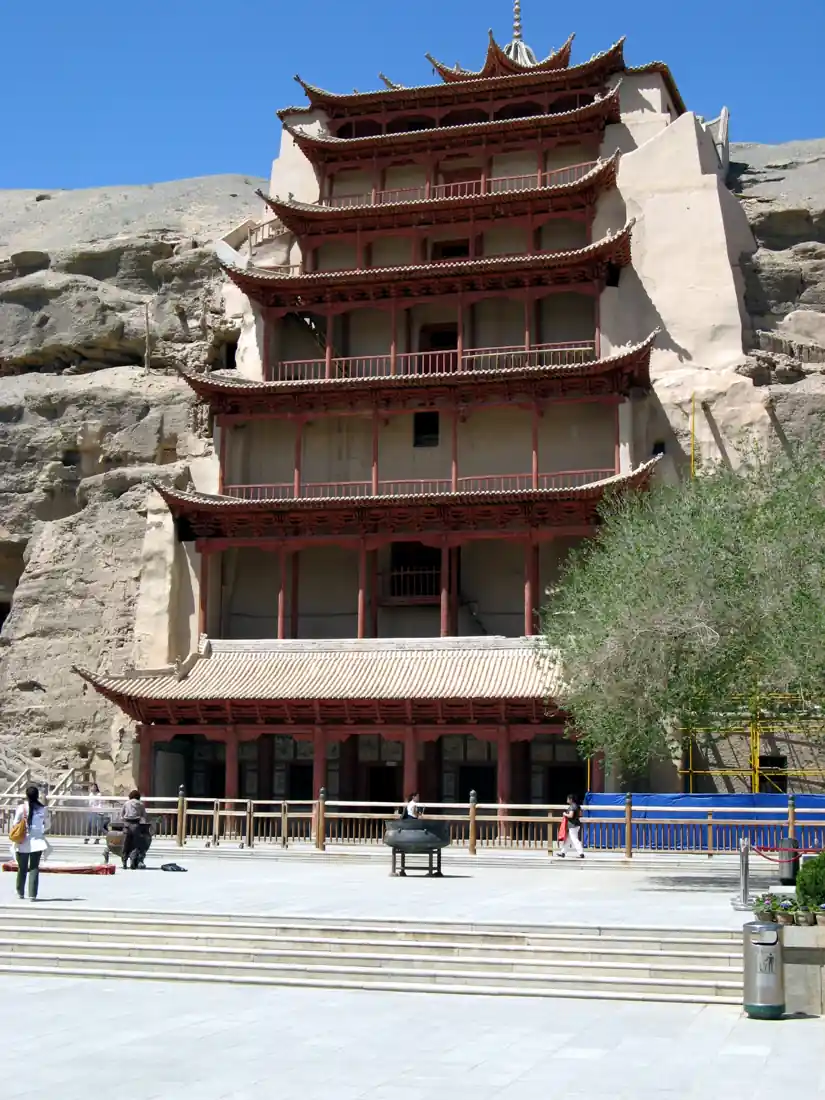
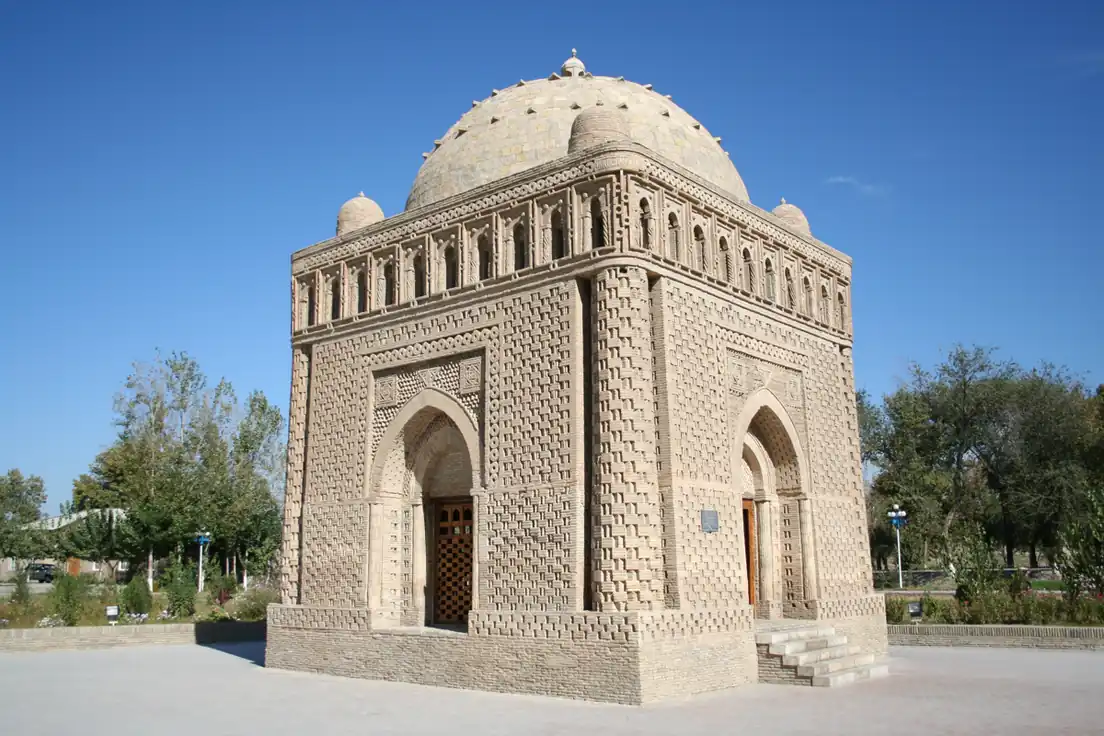
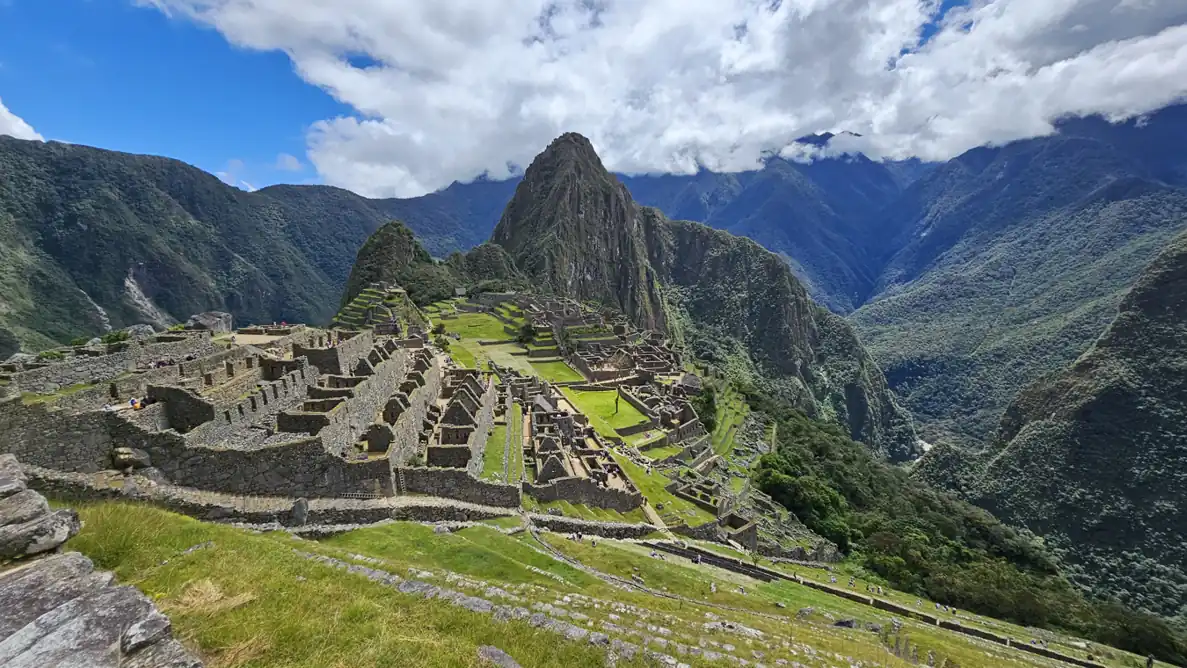
GEÇMİŞİN
HARİTASI
GEÇMİŞİN HARİTASI / WORLD COLLECTION

One world. Many ways into the past.

Follow water, workmanship and the traces of ordinary life across 49 illustrated stops.

24 full English stories · 25 stories currently in Turkish. Every card states its destination language. The collection is in English; the remaining long stories are still being translated.

Explore the places ↓ · Take a question with you ↓

Three questions to carry between places

Choose two places, then look for a difference before looking for a similarity. These are reading suggestions, not claims that distant societies shared one history.

Water: what connects the visible structures?

Start with Petra’s channel, then follow Angkor’s reservoirs or Hampi’s water routes. On each story page, choose one visible feature and find the source that explains it. How does changing the scale—from a narrow channel to a wider landscape—change your question?

Work: whose activity is missing from the skyline?

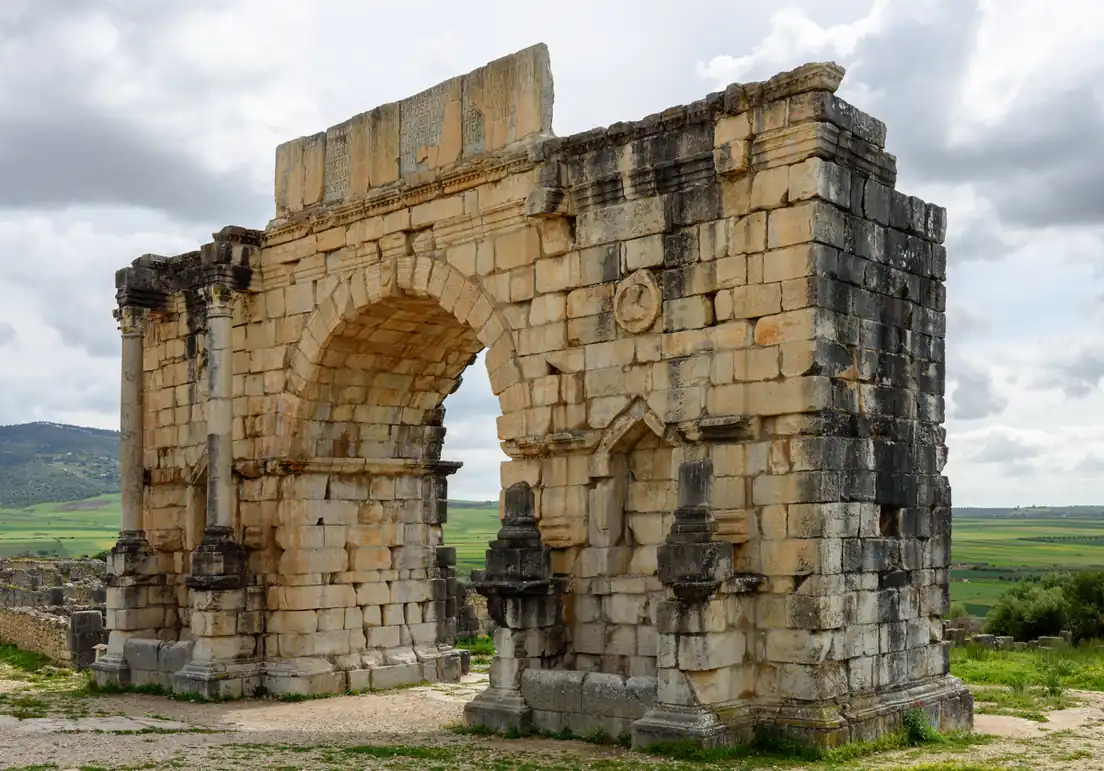
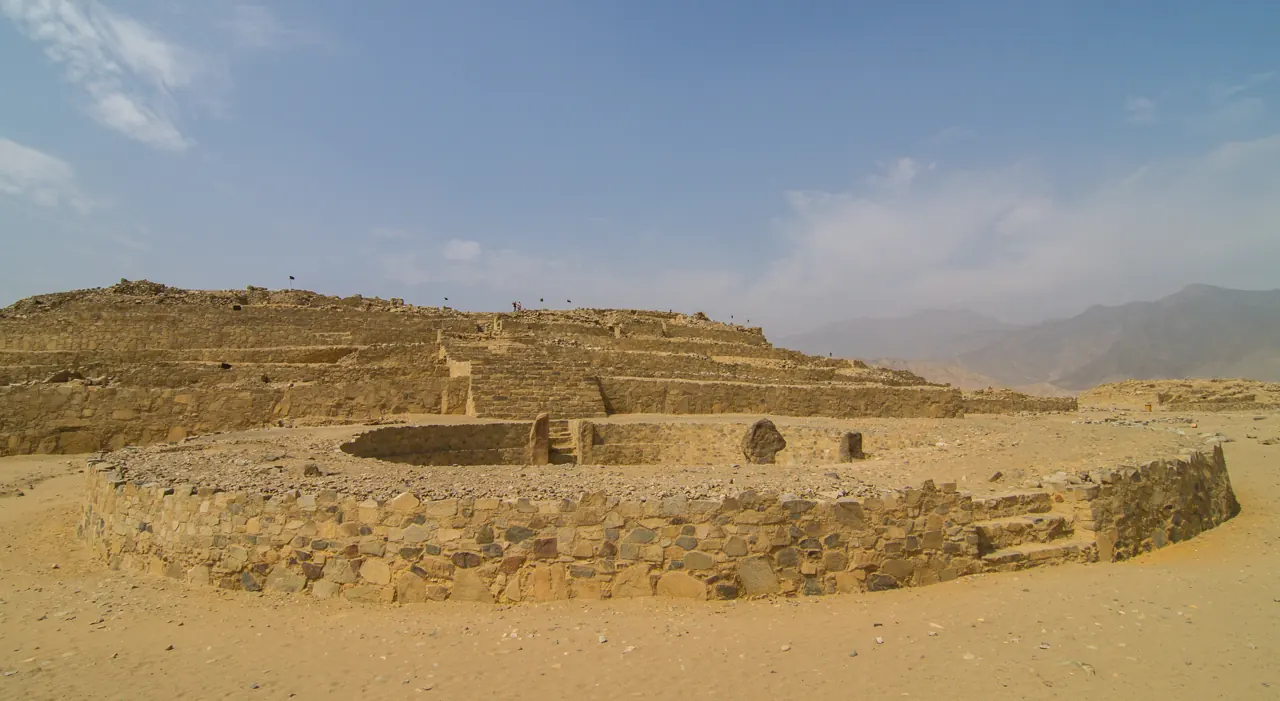
Compare a room in Ostia with a house in Volubilis or a plaza at Caral. Choose a task such as storing, carrying or building. Record the feature that suggests the task, then separate what it shows from what you still need to find out.

Memory: which part of the image is a later record?

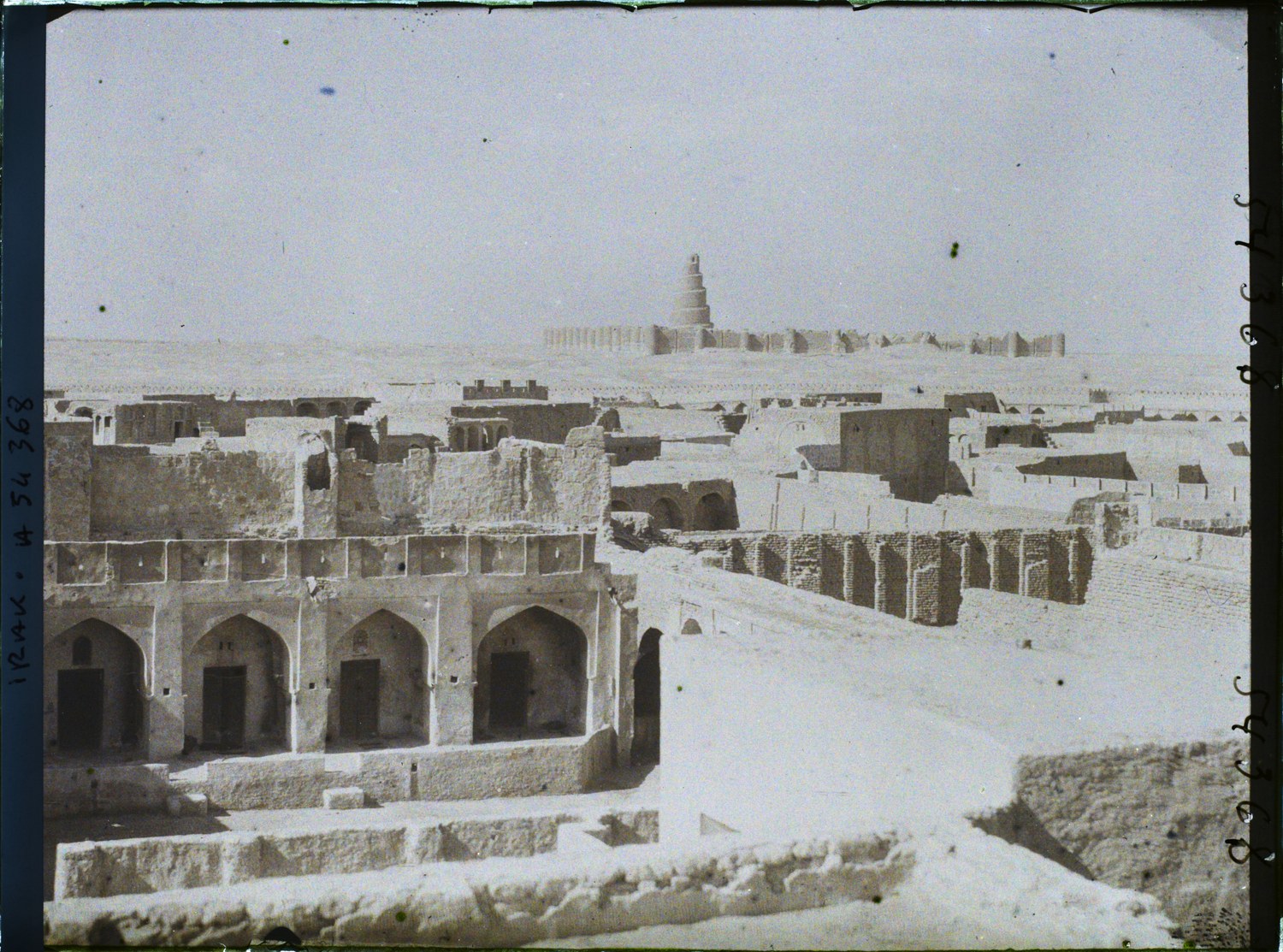
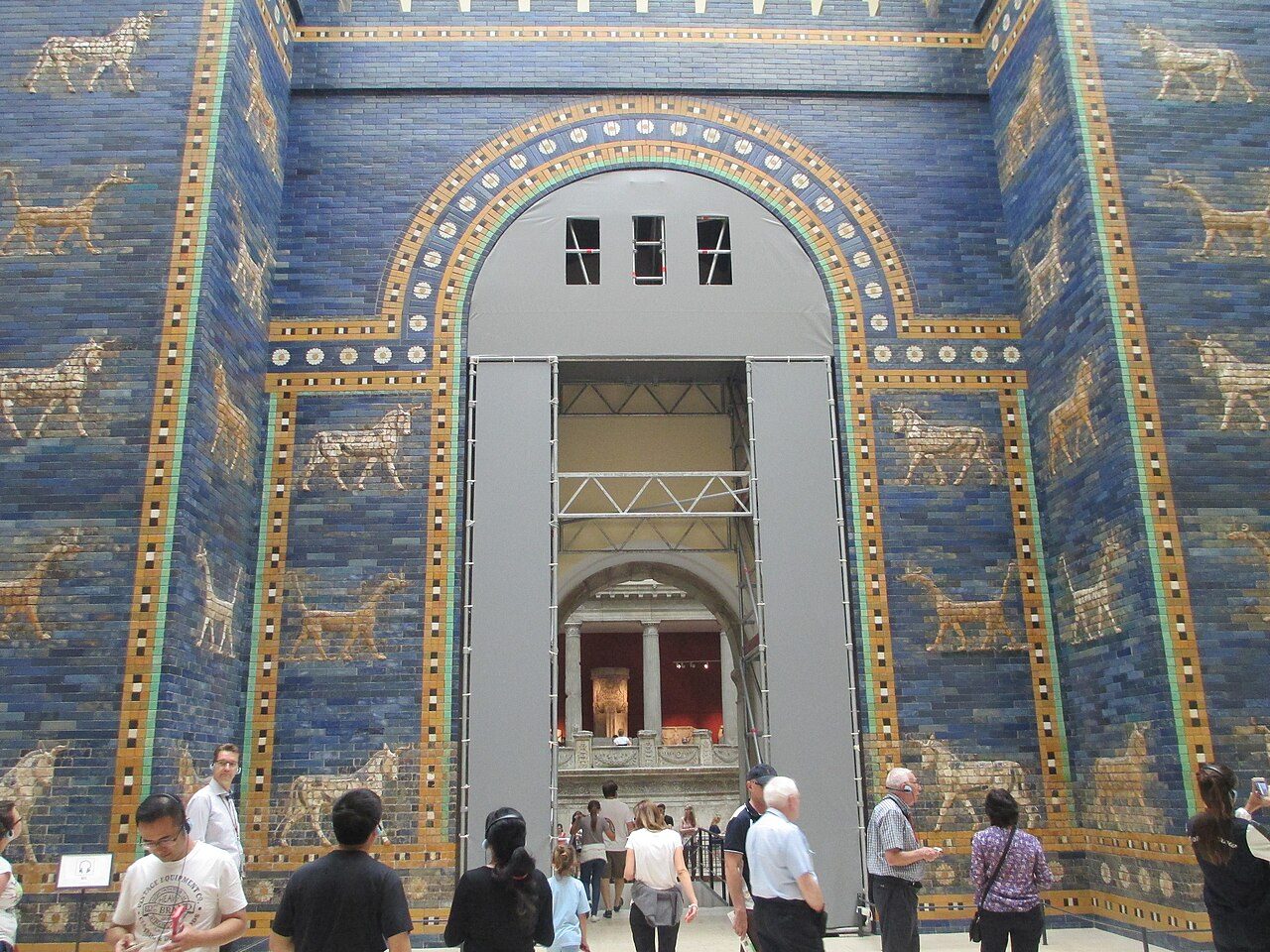
Set a Samarra photograph beside Babylon’s reconstructed gate or Dougga’s mausoleum. Record the object or building date, the photograph date and any later reconstruction separately. A new image can preserve an old trace without showing a place exactly as it once was.

Find your next place

49 places

Water / Rock / Terrace
English story

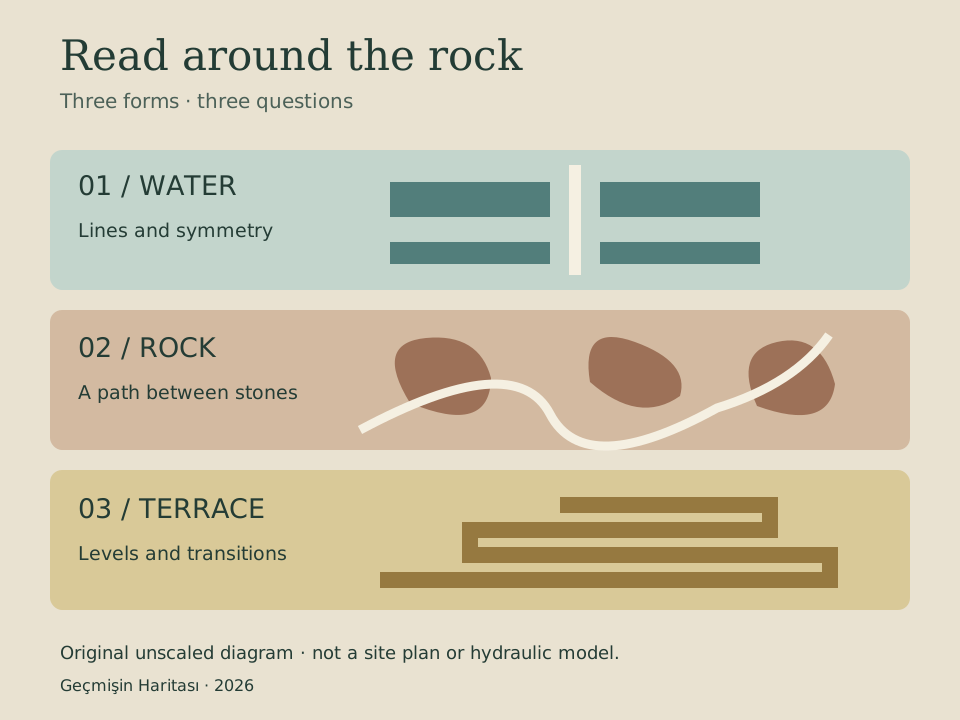
Sigiriya: The City Around the Rock

Read Sigiriya through its water gardens, winding paths and rising terraces: a city begins long before its summit.

An original reading diagram, not a measured site plan or hydraulic model. Geçmişin Haritası · CC BY 4.0

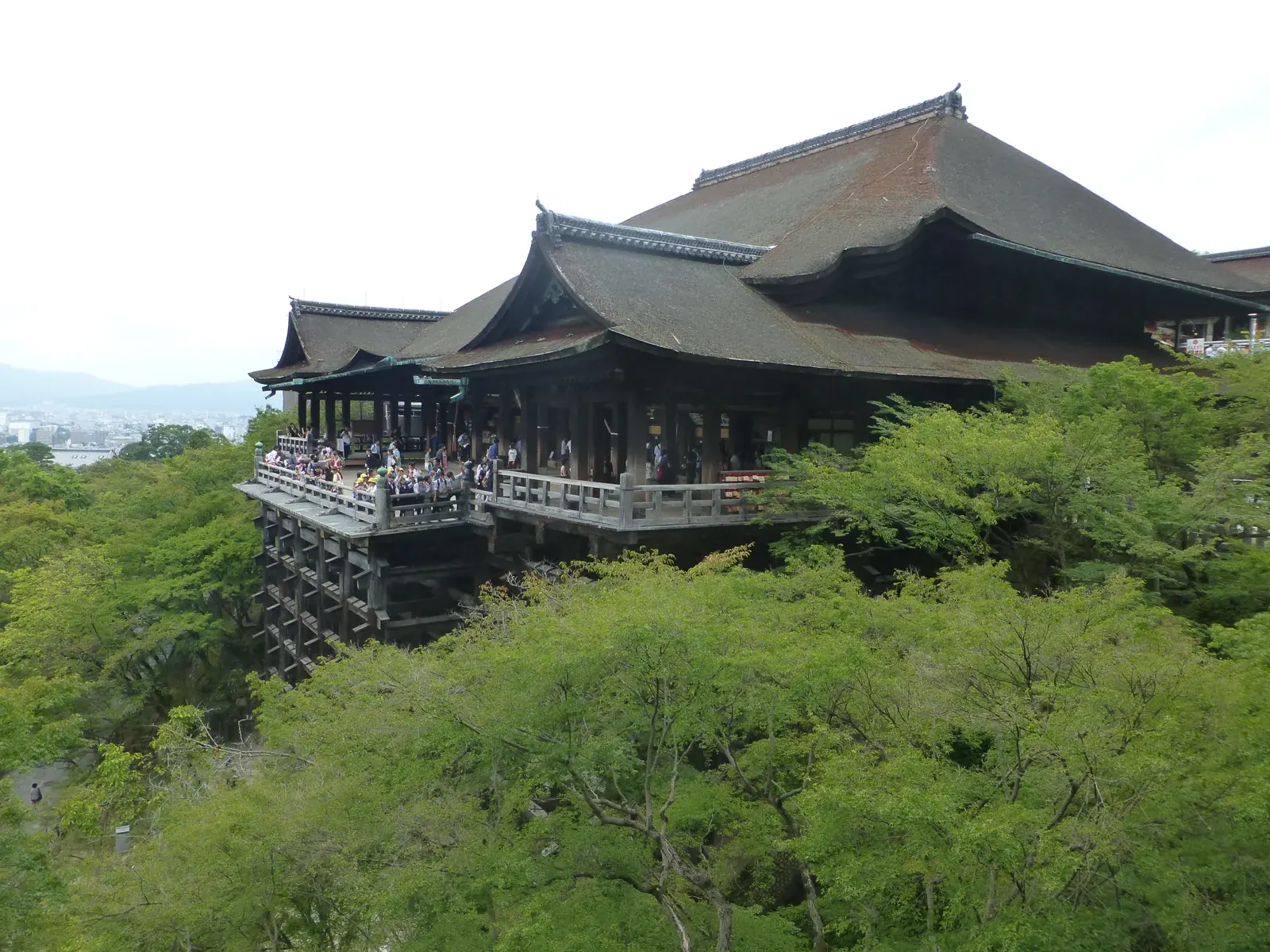
Kiyomizu’s large sloping roof and crowded stage projecting above timber pillars on a green hillside
English story

Kyoto: Memory Kept Alive in Wood

From Kiyomizu’s hillside stage to Nijō’s conserved paintings: discover the materials, skills and repair decisions that keep a city’s memory alive.

Grueslayer @Wikipedia · 2014-09-24 · CC BY-SA 4.0. Resized and converted to WebP. This adaptation retains the stated licence. Image record · Licence

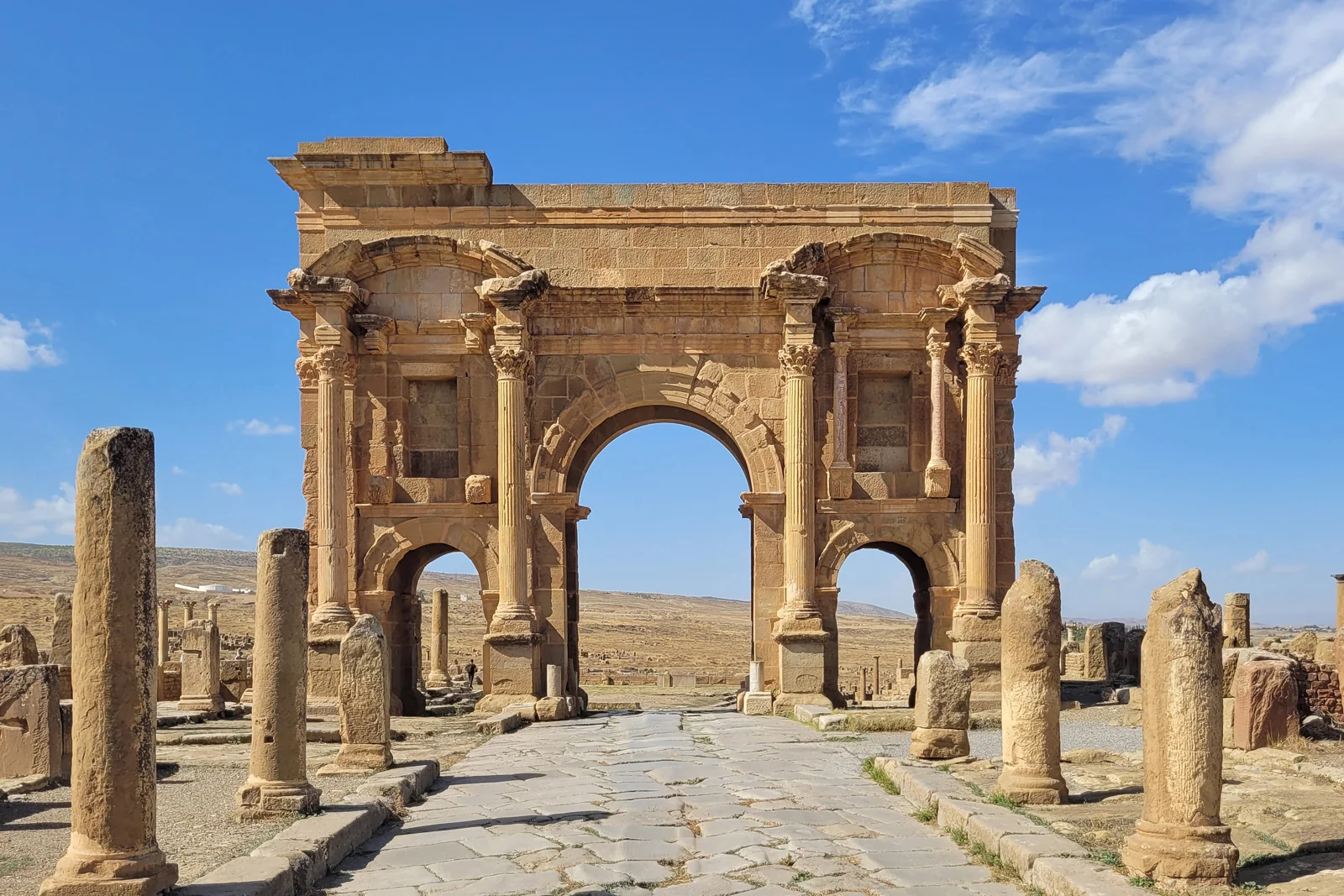
Paved street leading towards the three passages of Timgad’s western arch
English story

Timgad: A Street Through Many Times

An arch, a roofless library and broken letters. Follow a Roman street beyond the neat lines of its plan.

Bernard Gagnon · 2025-10-15 · CC BY 4.0. Resized and converted to WebP; credit and applicable licence retained. Image record · Licence

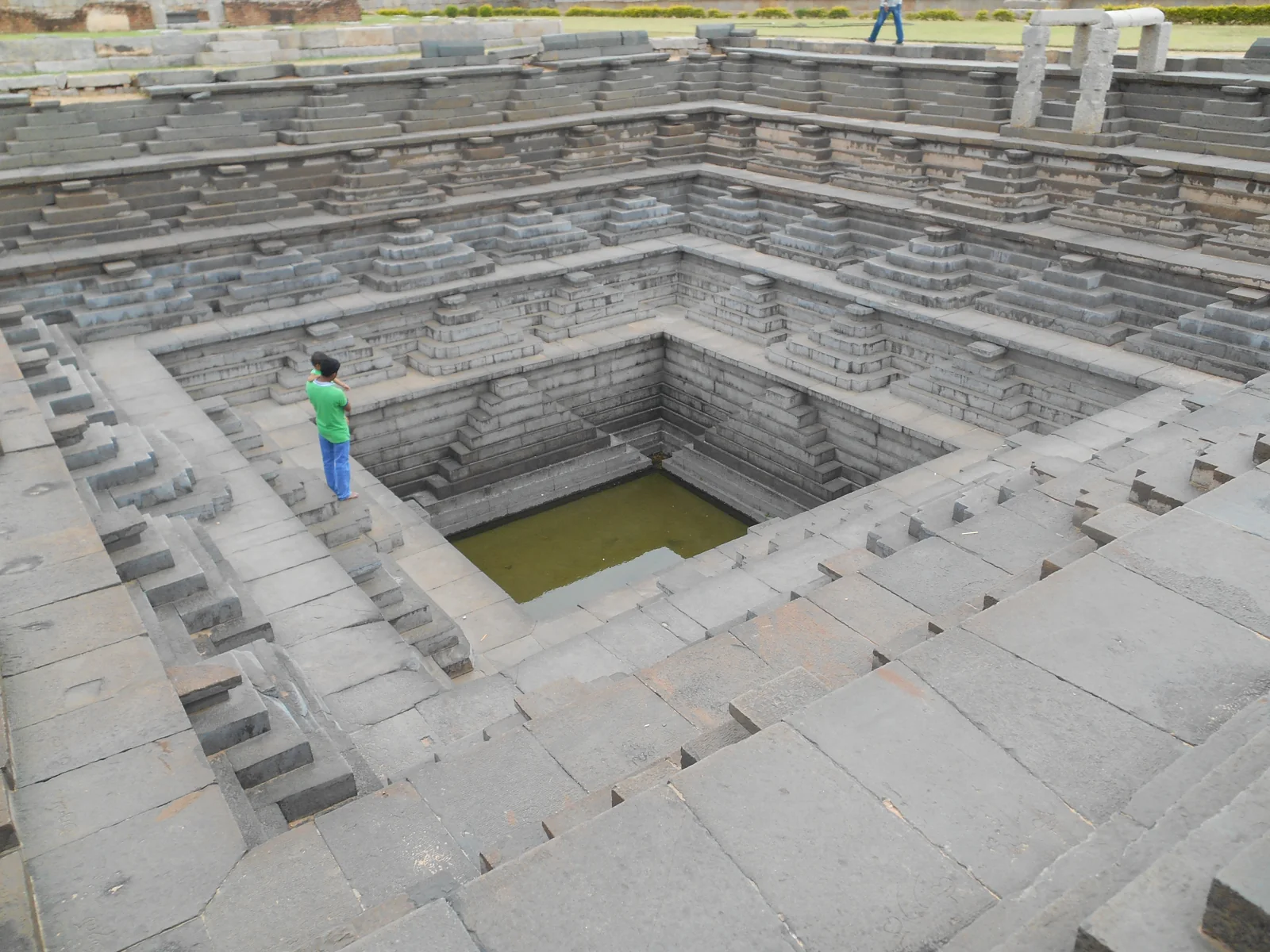
Concentric squares and geometric steps descending towards water in Hampi’s stepped tank
English story

Hampi: Following Water Through a Stone City

From a tank’s geometry to a stone channel, from a bazaar’s paving to a living temple: read the connections that sustained a city.

Venkygrams · 2014-10-16 · Stepped tank in the Royal Enclosure · Image record · CC BY-SA 4.0. Orientation corrected, reduced and compressed to WebP; original retained. Adaptation under the same CC BY-SA licence. Dated photograph, not evidence of current visitor conditions.

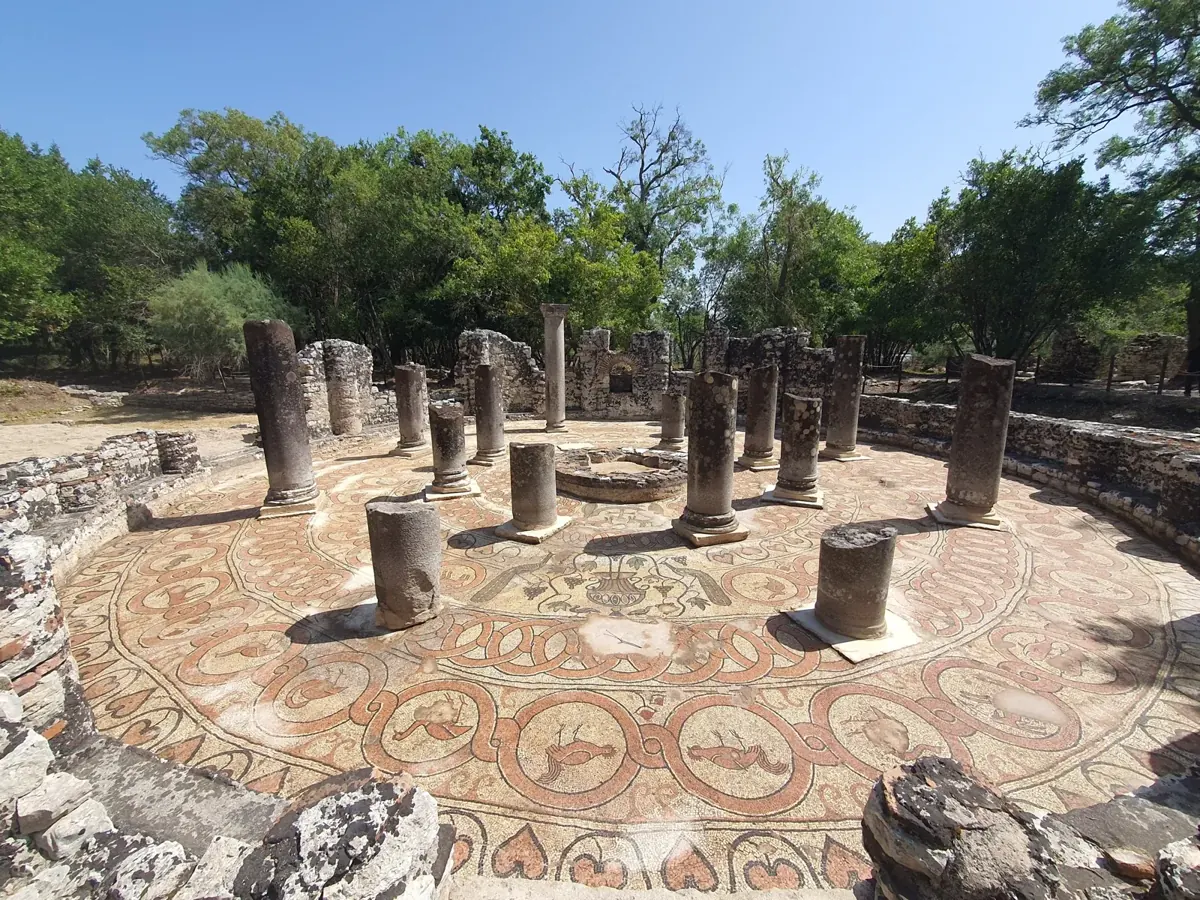
Birds, fish and plants in the mosaic floor of Butrint’s baptistery
English story

Butrint: Lives Written in Stone

A lagoon-side city, a theatre wall and a record of freedom. Follow people through inscriptions, water and a mosaic floor.

Ezhdërha · 2026-07-26 · CC BY-SA 4.0. Resized and converted to WebP; same licence. Image record · Licence

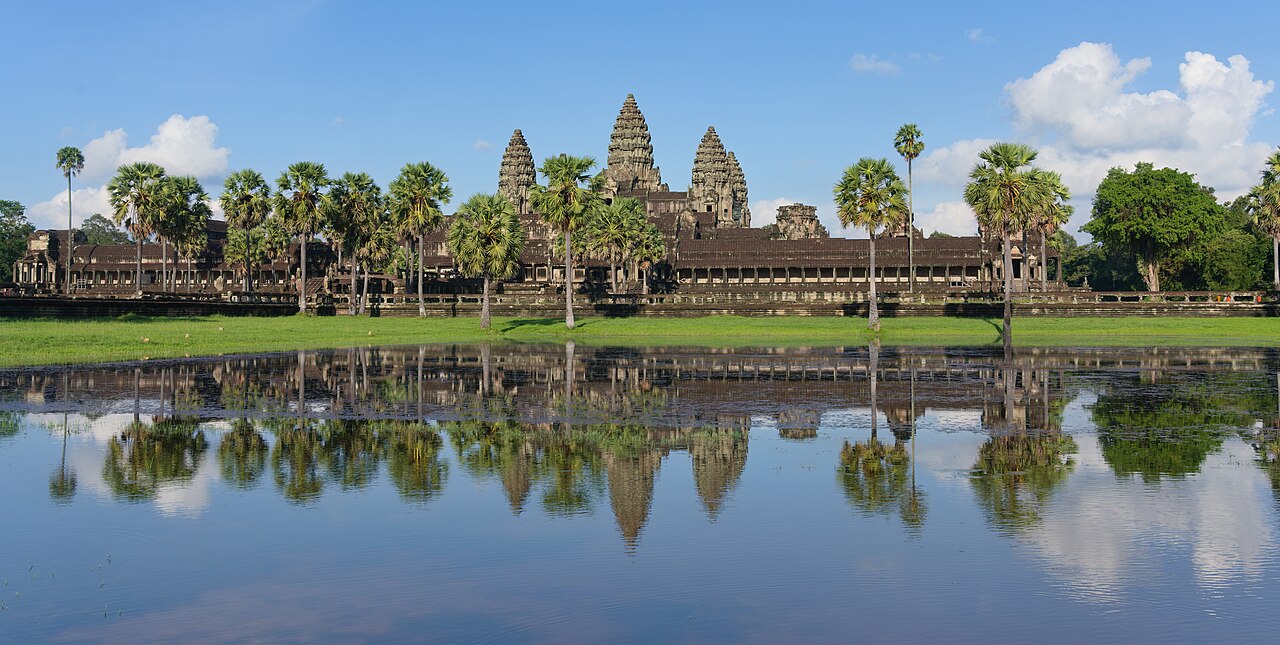
Angkor Wat’s towers and their clear reflection in water, photographed on 9 September 2022
English story

Angkor: A City Remembered Through Water

Beyond a temple’s reflection lie reservoirs, channels and centuries of labour. Follow Angkor through the water that sustained a living landscape.

Satdeep Gill · 9 September 2022 · CC BY-SA 4.0. Existing 1280-pixel Commons copy of the photographer’s cropped, exposure-adjusted version; no additional image processing applied by us. Image record · Licence.

Photograph of the Gate of All Nations at Persepolis.
English story

Persepolis: An Empire’s Stone Stage

Why call a gateway the Gate of All Nations? Move from entrance to relief and read the image chosen by a kingdom.

Existing cover image · source and image context in the linked Turkish story.

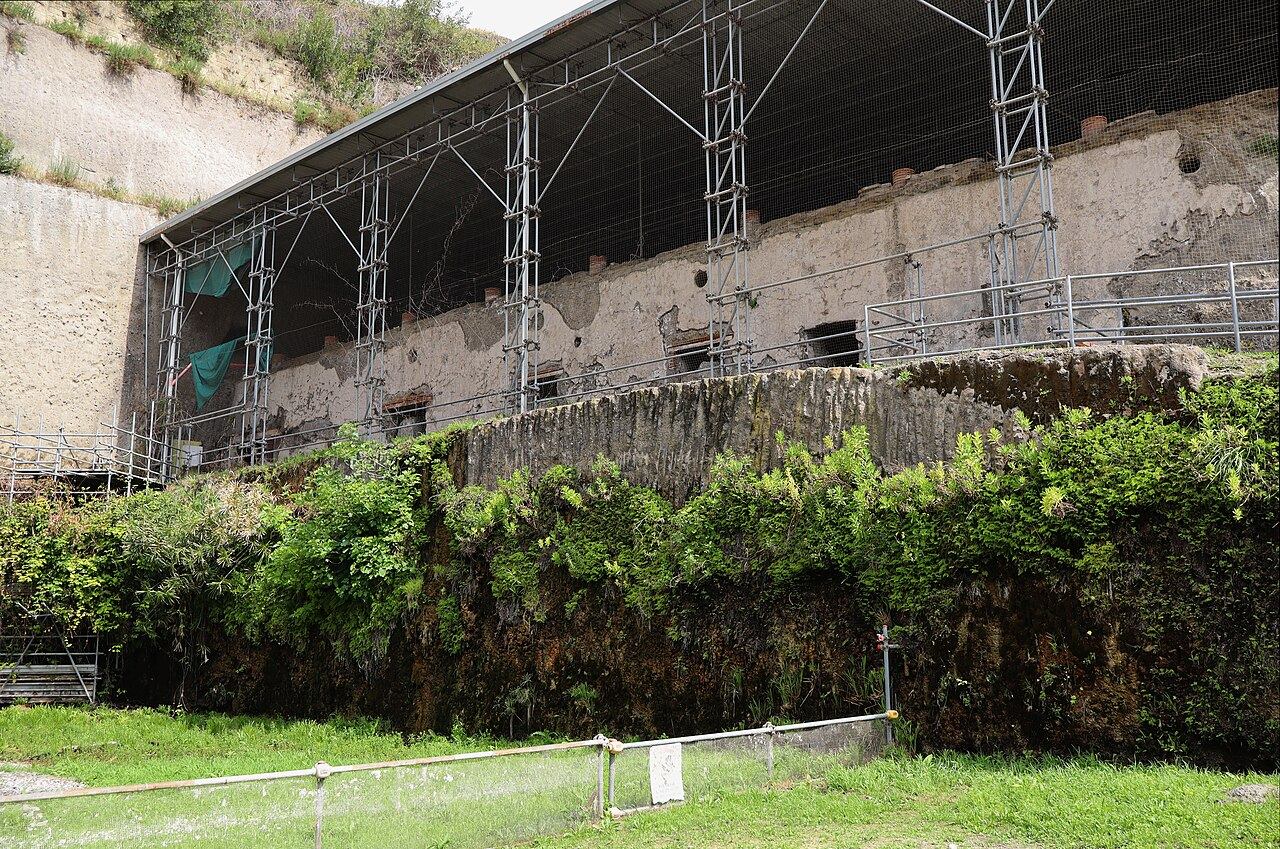
Statio 25 mosaic showing amphorae transferred between ships
English story

Ostia: The City That Fed Rome

Follow a cargo from ship to storehouse, from grain to bread. Four chapters reveal the work behind an imperial capital.

Carole Raddato / Following Hadrian · 2016-08-13 · CC BY-SA 2.0. Existing Wikimedia-hosted resized photograph; original credit and licence retained. Image record · Licence

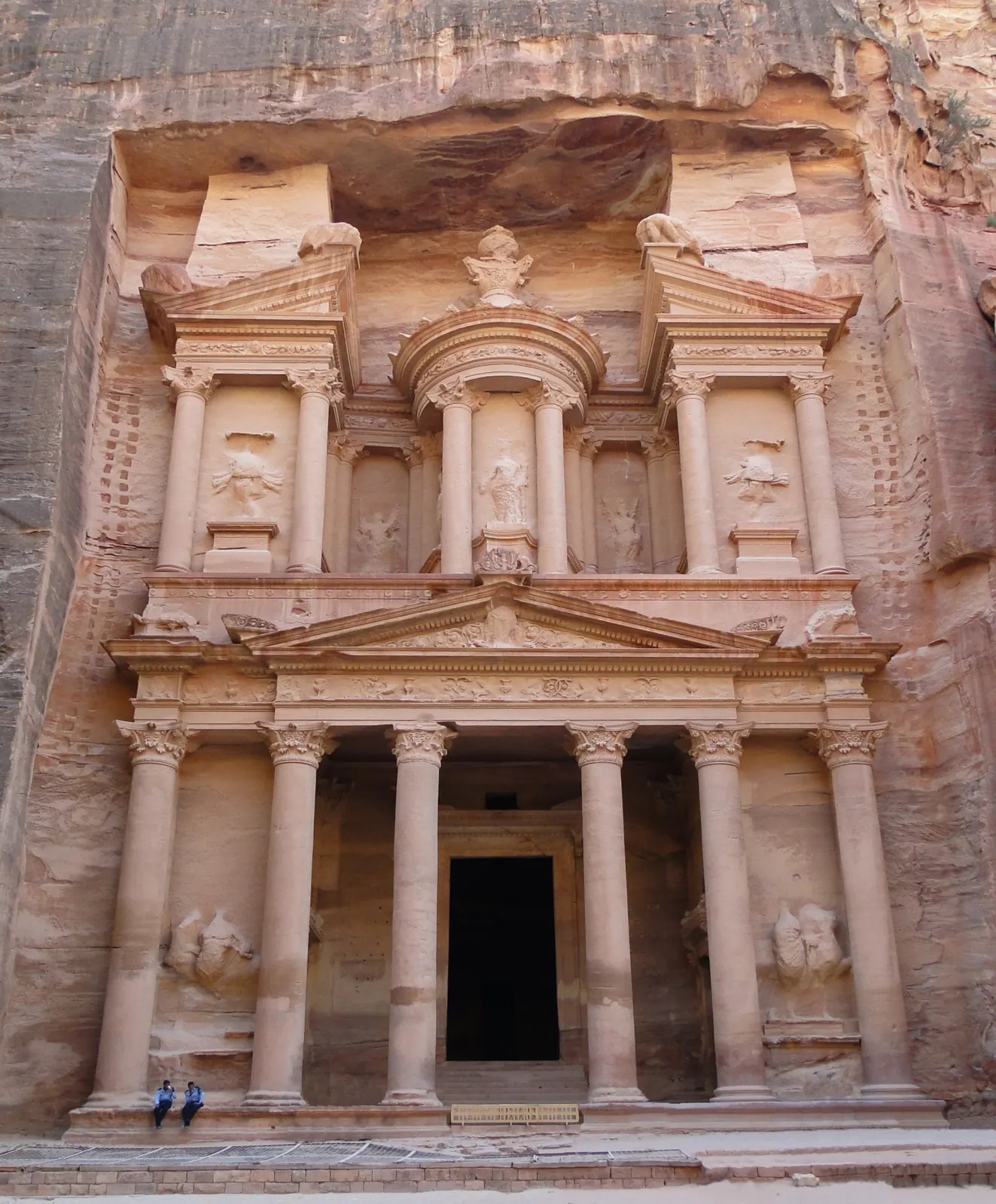
The Treasury, carved into the rock
English story

Petra: The City Shaped by Water

A narrow gorge, a dazzling façade and a modest channel: read Petra through the system that made life possible.

Bernard Gagnon · 2010-04-15 · CC BY-SA 4.0. Resized and converted to WebP; image derivative under the same licence. Image record · Licence

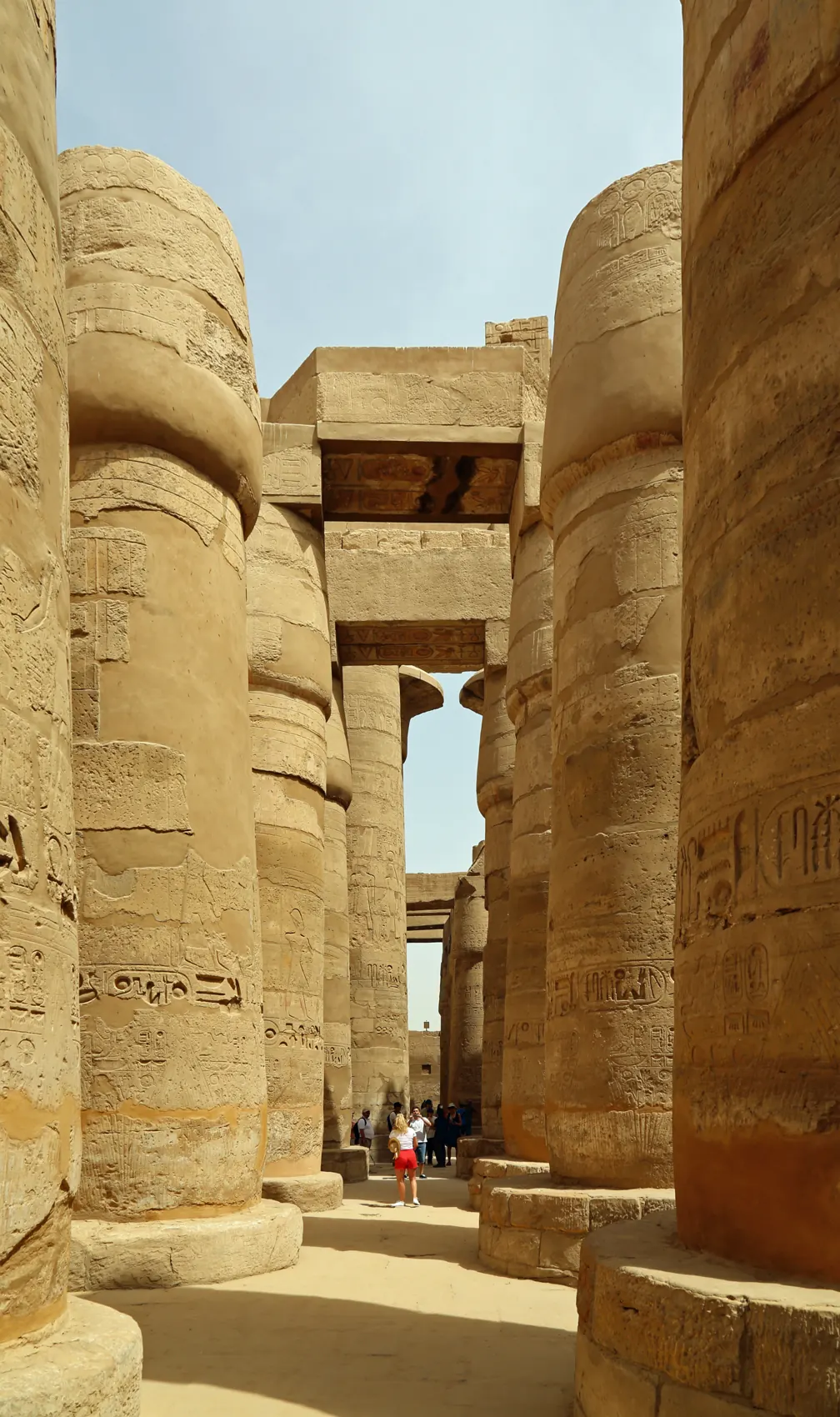
The surviving Hypostyle Hall
English story

Karnak: The Hands Behind the Stone

134 columns, generations of work and a city in motion. Read Karnak through scale, construction, water and ritual.

Marc Ryckaert · 2018-03-24 · CC BY-SA 4.0. Resized and converted to WebP. The derivative retains the stated image licence. Image record · Licence

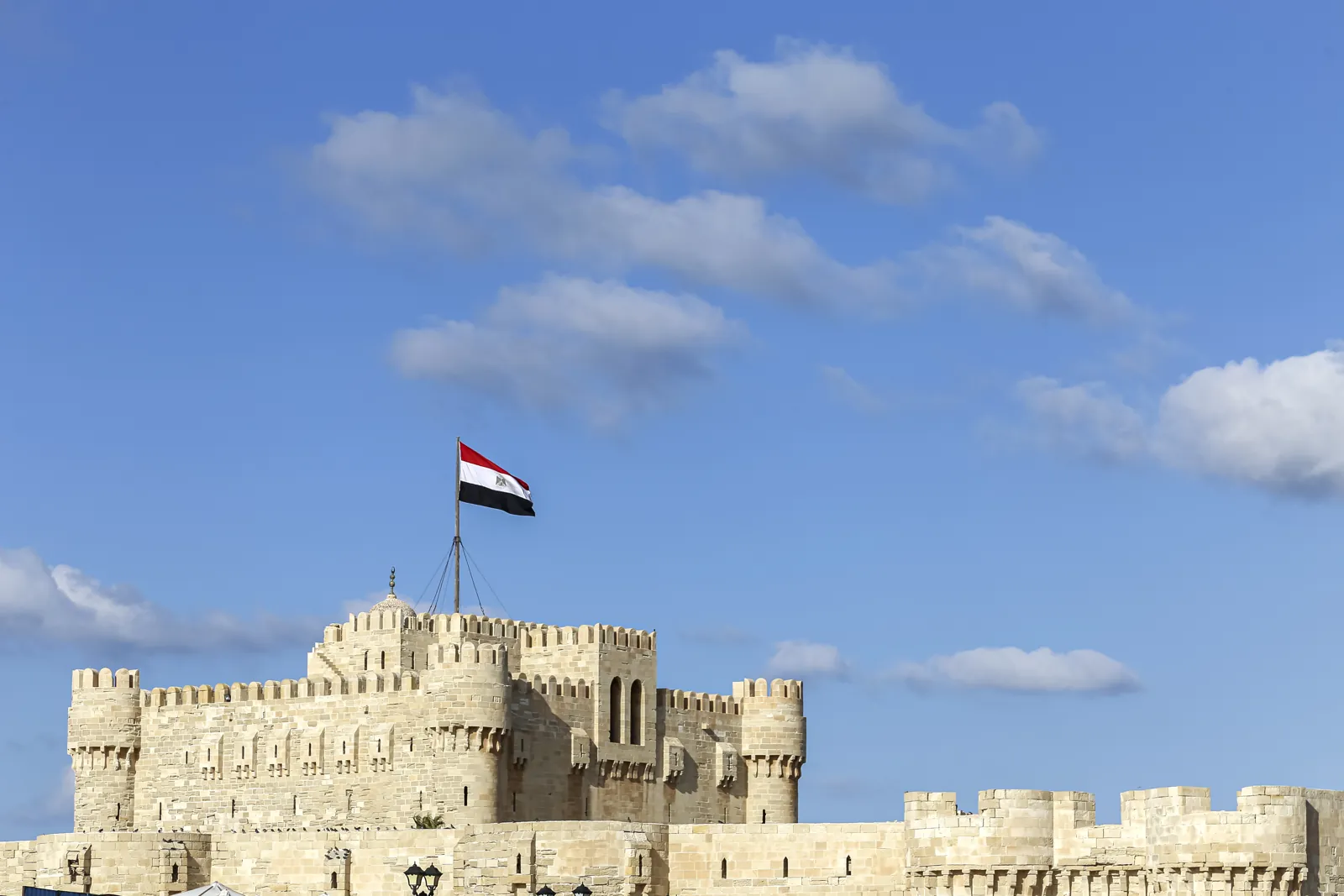
Qaitbay Fort today, not the ancient lighthouse
English story

Alexandria: The Memory of Sea and Books

From a working harbour to submerged stone, from a lost library to a modern reading room: discover Alexandria in three chapters.

ChasingMeToo · CC BY-SA 4.0. Resized and converted to WebP; attribution and applicable image licence retained. Image record · Licence

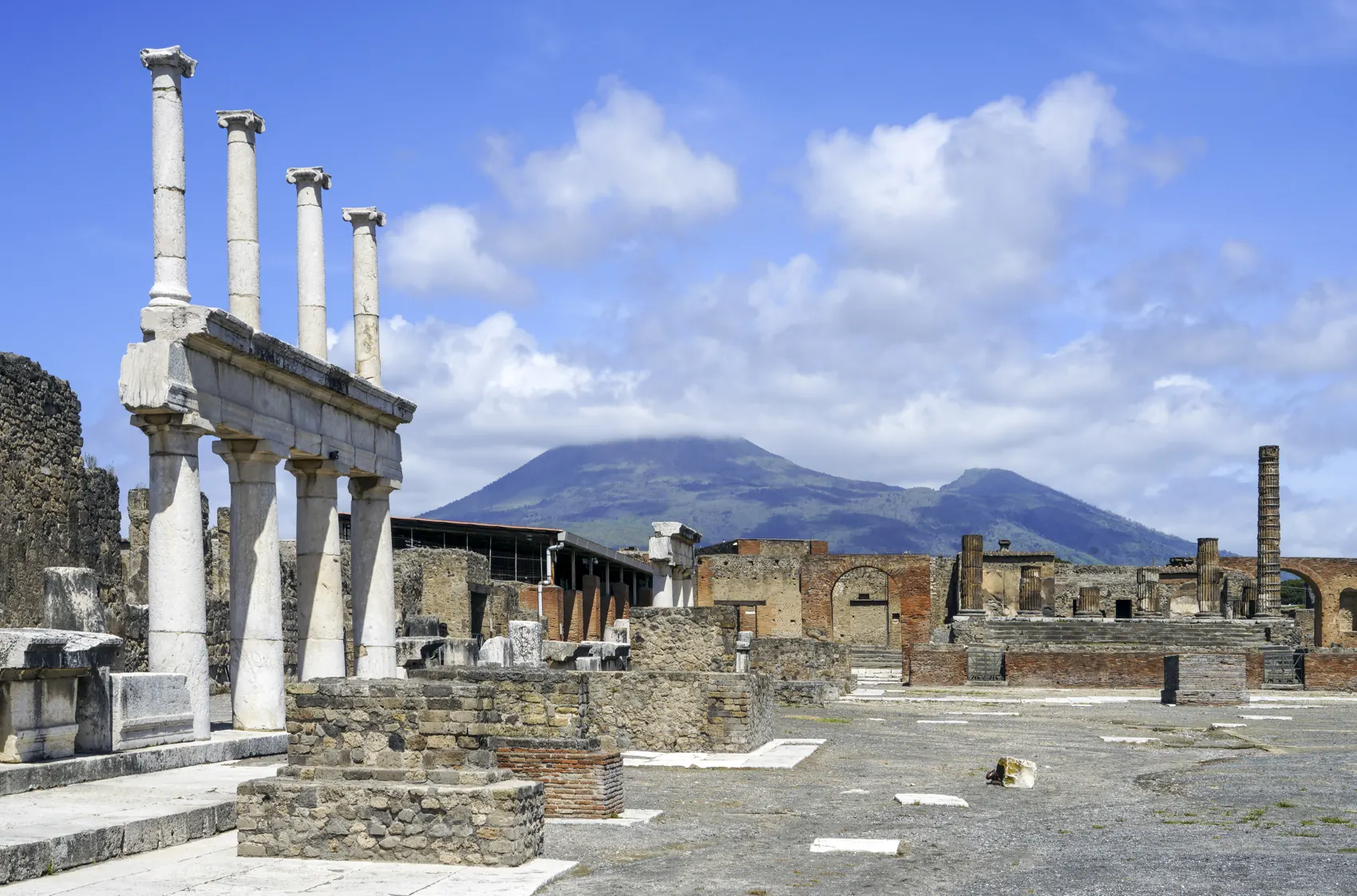
Pompeii’s Forum with Vesuvius in the distance
English story

Pompeii: Life Beneath the Ash

A food counter, a bakery and a view of Vesuvius: follow three photographs beyond the city’s last day.

Commonists · 2021-05-02 · CC BY-SA 4.0. Resized and converted to WebP; this derivative retains the same image licence. Image record · Licence

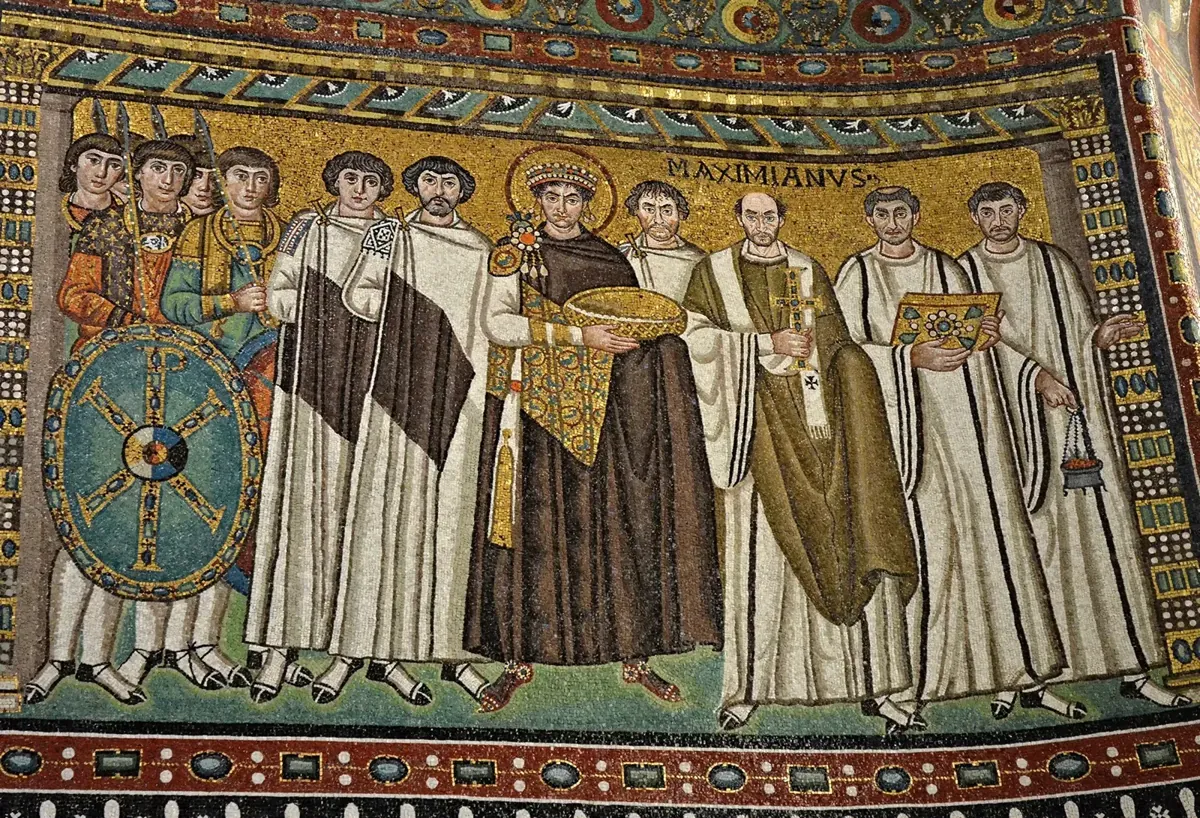
Justinian with his retinue in San Vitale’s mosaic
English story

Ravenna: The Power of a Golden Gaze

An emperor far away, a presence close at hand. Read San Vitale through space, mosaics and the people who look back at us.

Carole Raddato / Following Hadrian · 2015-06-29 · CC BY-SA 2.0. Resized and converted to WebP; credits and applicable image licence retained. Image record · Licence

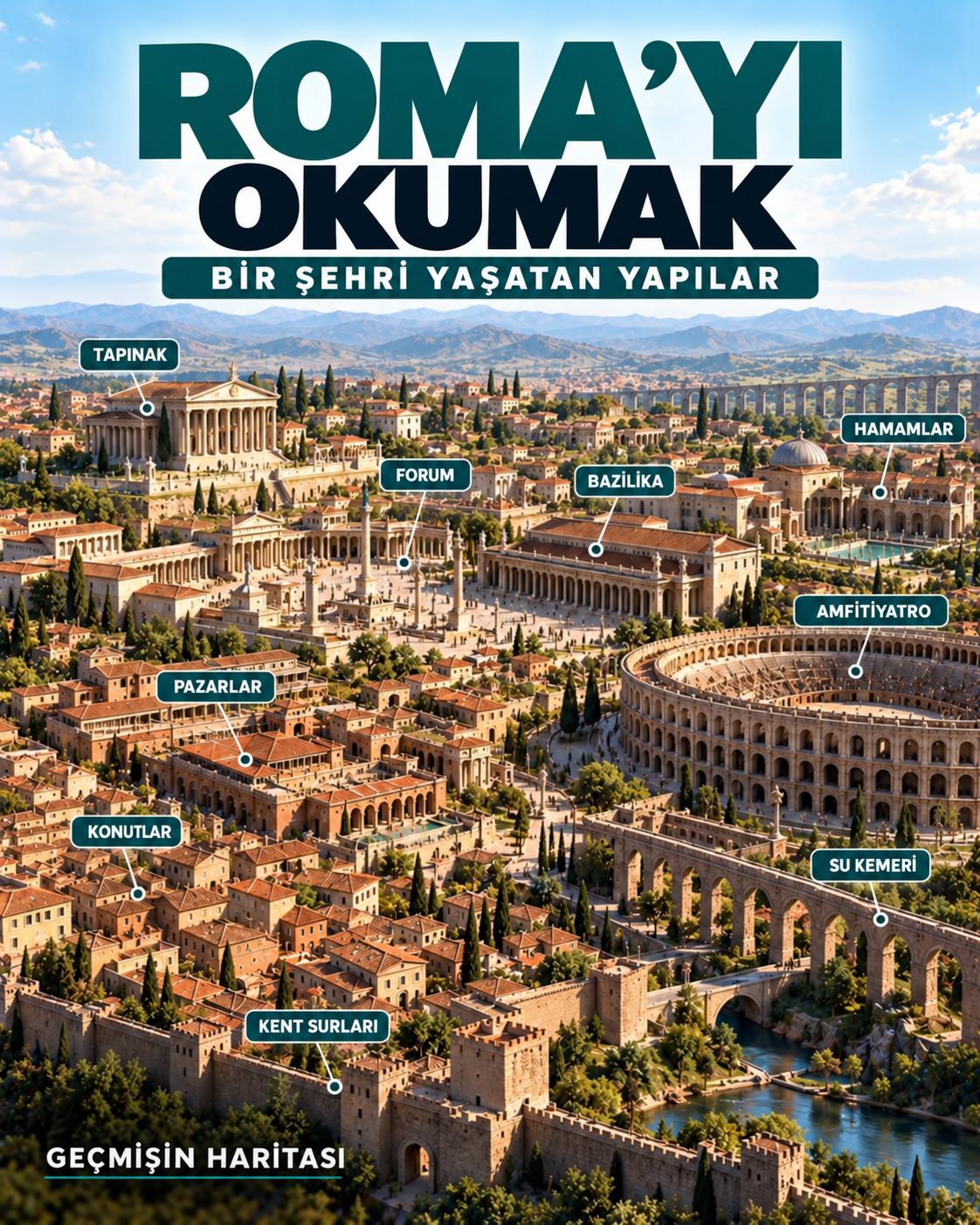
Cover image for A Day in Rome; see the story for image context and credits.
Turkish story · English edition pending

A Day in Rome

A day in a Roman city through 11 images: square, baths, homes and less visible lives.

Existing cover image · source and image context in the linked Turkish story.

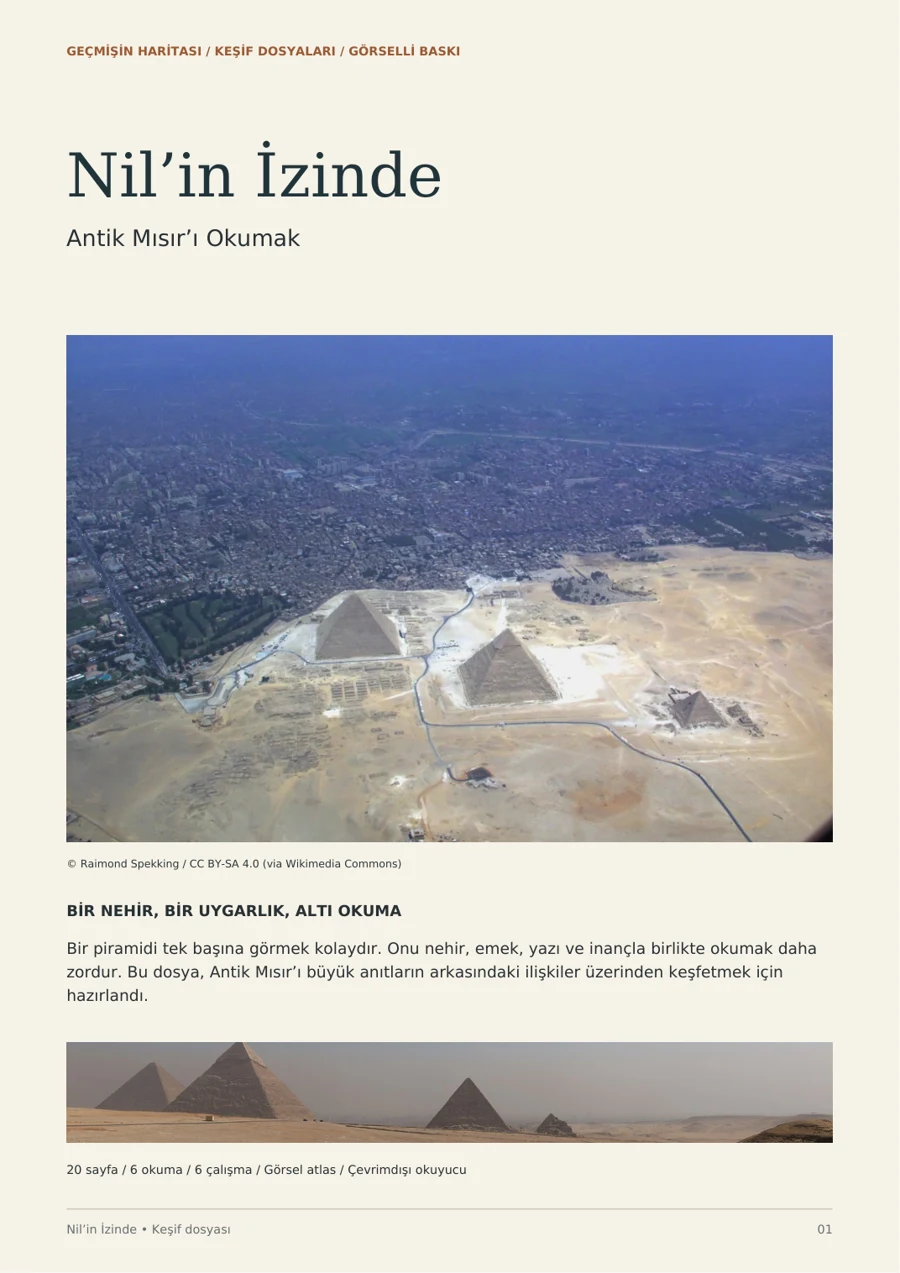
Cover image for Following the Nile; see the story for image context and credits.
Turkish story · English edition pending

Following the Nile

A boat and a riverside workshop; a writing board, sphinx and shabti: three objects and three readings of time.

Existing cover image · source and image context in the linked Turkish story.

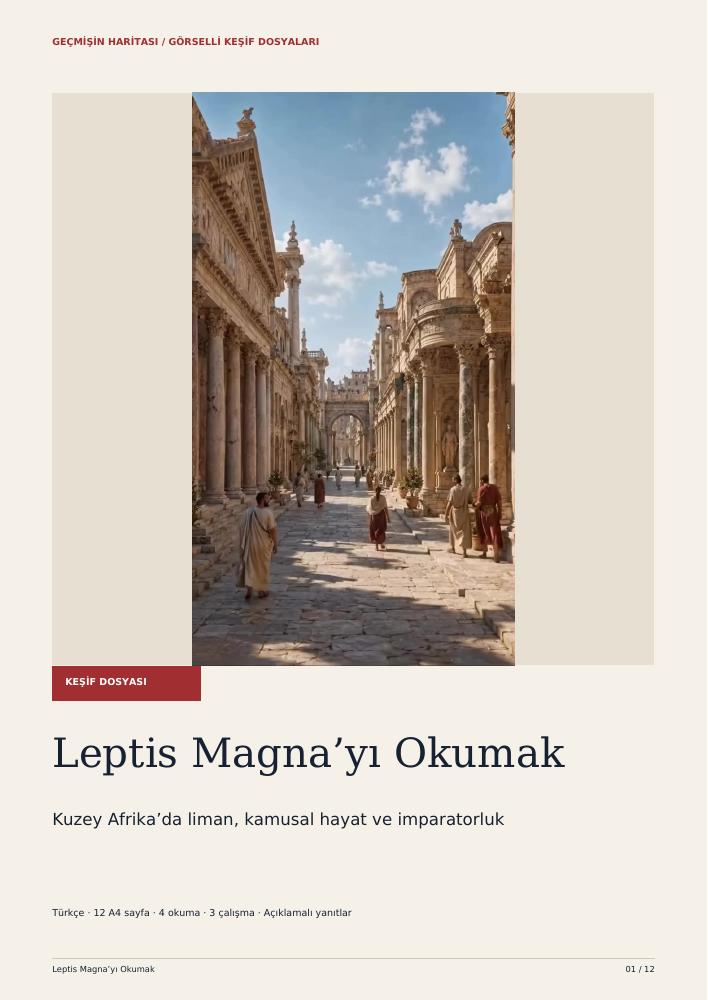
Cover image for the Leptis Magna story; see the story for image context and credits.
English story

Reading Leptis Magna

Harbour, public life and empire in North Africa.

Existing cover image · source and image context in the linked Turkish story.

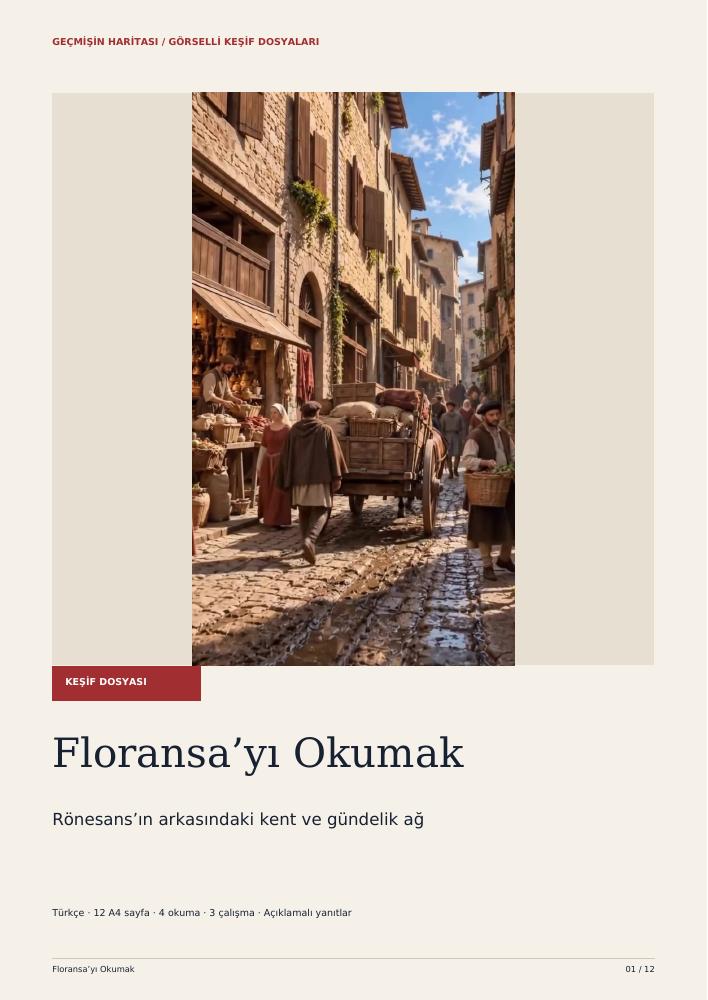
Cover image for the Florence story; see the story for image context and credits.
English story

Reading Florence

The city and everyday networks behind the Renaissance.

Existing cover image · source and image context in the linked Turkish story.

A small comparison, in your own words

  1. Name two places and record one visible detail from each.
  2. Open each story’s sources. Write one supported explanation and one question that remains open.
  3. Keep the evidence local: a detail from one city cannot fill a gap in the other.

Image credits stay with each card; full records, licences and historical sources are on the linked story pages. Some images are diagrams or later photographs: read their captions before treating them as evidence.

Free discovery cards are available on completed English story pages. They are separate from paid products. This collection does not imply translated paid PDFs, video narration or subtitles.

Explore the complete story archive ↗ · Our sources and images ↗