
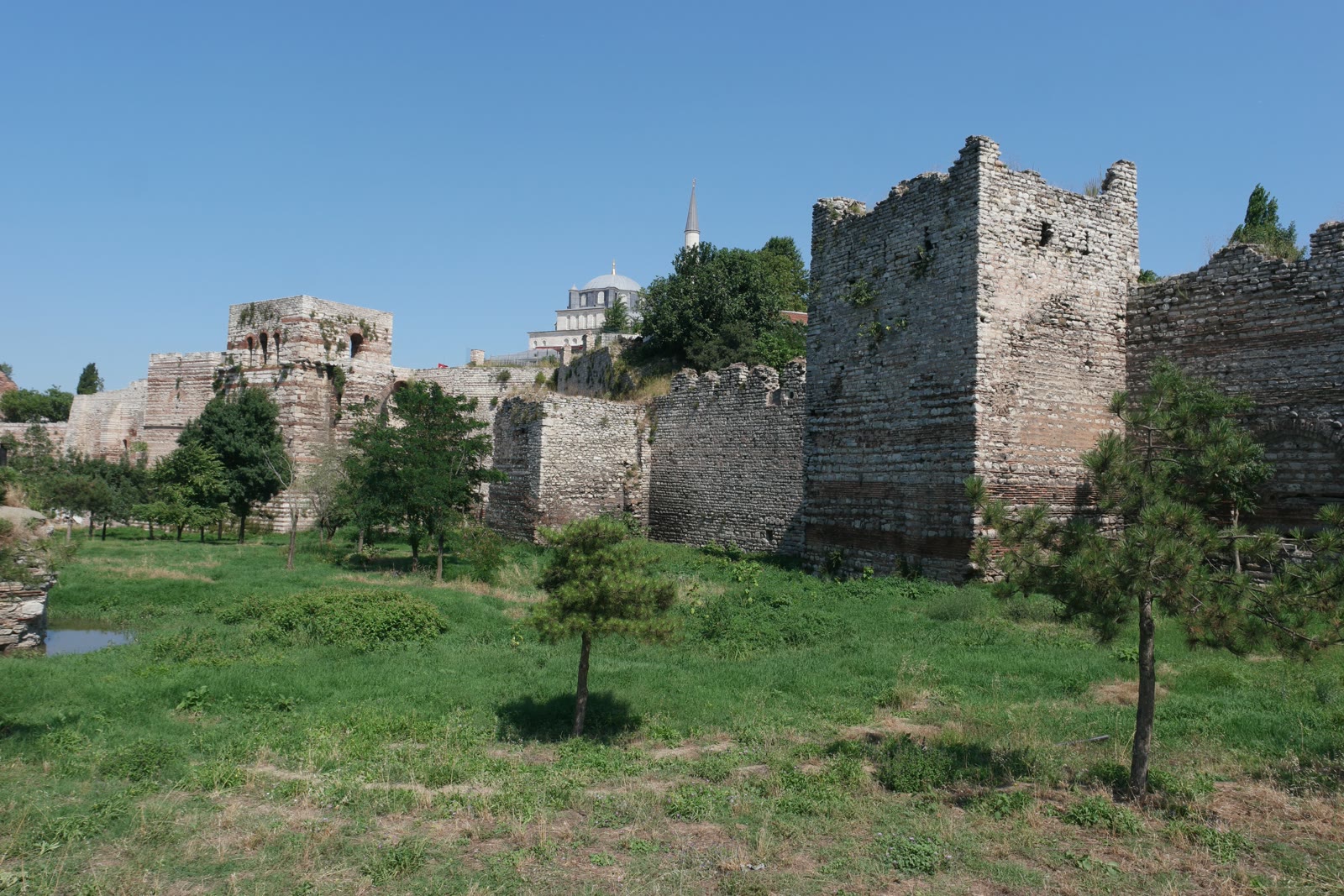
Could a name cast an entire building into darkness?
Begin with the whole story, or enter through one detail.
01 / Space · Look at the scale of the wall and its openings.
02 / Function · Separate a place’s name from its whole history.
03 / Evidence · Distinguish what an image shows from what a written source tells you.
Enter a scene first
View the original Instagram Reel ↗
Existing film with Turkish narration and representative historical scenes. English dubbing and embedded English subtitles are not provided. The file is unchanged; full playback and audio alignment have not been retested for this edition.
English reading guide to the film’s subject
The film asks whether Istanbul’s well-known dungeon complex began as something else. It links the traditional name to Michael Anemas, a prisoner in the early twelfth century, while asking whether the vaulted spaces served the palace terraces and defensive structures. A prison use in some rooms would not establish a single original purpose for the whole complex. The three chapters below develop that distinction from the cited studies.
The scene a name creates
The name “Dungeons of Anemas” closes a door in the imagination. Torches, narrow cells and sounds striking stone walls appear before we have even seen the building. We have already decided what sort of place it must be. Yet the excitement of standing before the walls at Ayvansaray begins when that ready-made scene turns into questions. Were these arches built only to keep people inside?
Semavi Eyice’s study shows why it is difficult to treat the towers and corridor buildings associated with Anemas as one single structure. Basements, storage spaces and towers around a palace could serve different purposes. Evidence that prisoners were held in parts of a complex is not the same as evidence that the whole was designed as a prison from the beginning. Here the story suggested by a name begins to separate from the structural work of a wall. [1]
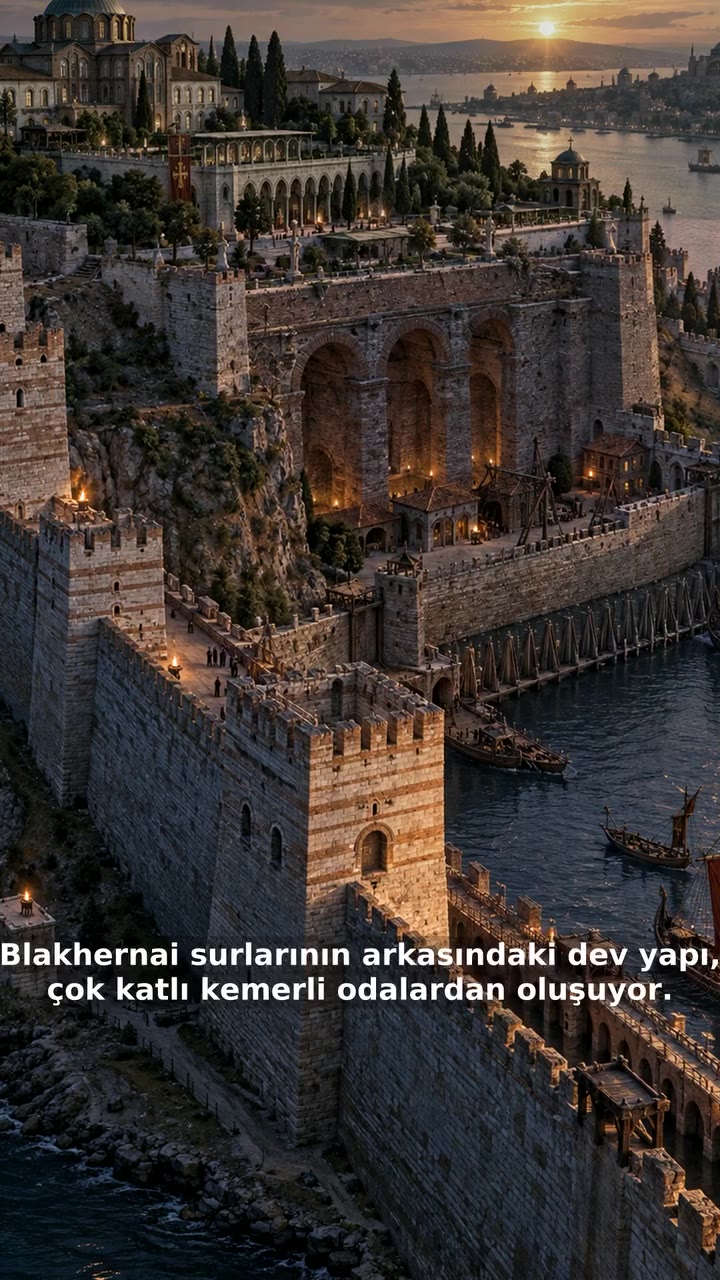
One prisoner’s name, the shadow of many buildings
The account of Michael Anemas’s imprisonment connects this area with struggles for power within the empire. But attaching the prisoner’s name to every tower shown today would make the problem look simpler than it is. Eyice draws attention to the difficulty of reconciling the tower in historical accounts with the dating of surviving structures. A name can remain alive for centuries while the boundaries of the place it identifies shift. [1]
The interest is not only in finding an identity. It also reveals how a city remembers. A memorable name can carry a complicated group of buildings through generations. It then spreads into pictures, guidebooks and films. At each retelling, pause at the detail that seems to have become certain. Does a text describe this scene? Does a wall show it? Or are we supplying the missing pieces ourselves?
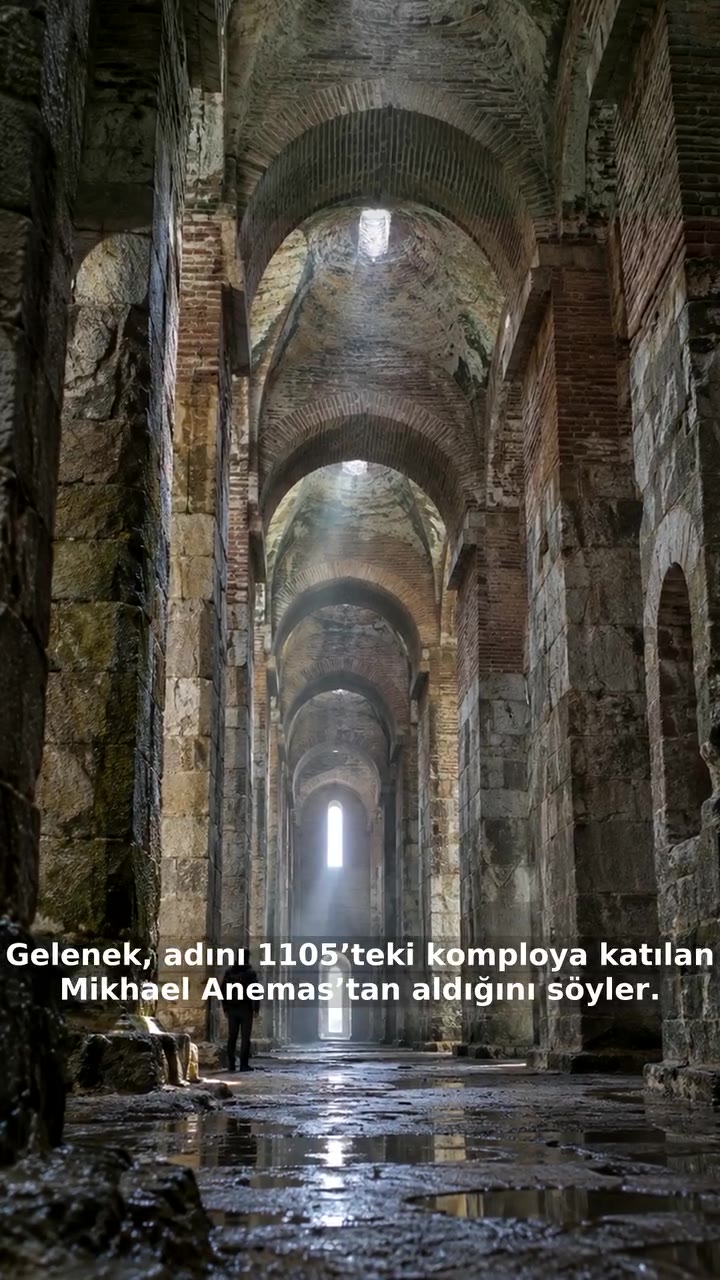
Life above the arches
Around Blachernae, the ground descends towards the Golden Horn. Terraces, retaining walls and supporting structures belong to this palace landscape. Eyice’s Ayvansaray entry in the TDV encyclopedia places the cellars called Anemas within that wider setting. Seen this way, a dark space need not suggest only a person shut away. It can also prompt us to ask how it supported the rooms above and the organisation of a palace. [2]
After watching the film’s imagined corridor, return to the real photograph. What questions arise from repeated arches, thick walls and the relationship with the surrounding ground? We cannot read a prisoner’s feelings from those traces, but we can investigate different uses of the building. Anemas draws us in through the layered architecture still waiting behind a powerful name. Continue towards Blachernae next: from the darkness below to the world of the palace above.

Four points in the story
- Middle Byzantine period · Palace, terrace and defensive structures develop around Blachernae. [2]
- Early 12th century · Historical accounts connect Michael Anemas’s imprisonment with a tower beside the palace. [1]
- Later phases · The dating of towers and the identification of names with particular buildings remain questions for study. [1]
- Modern research · Plans, architectural study and historical texts are compared. [1]
Evidence, interpretation and legend
A building and its name are different kinds of evidence
The modern name does not prove the original function of every part of the complex.
Palace infrastructure and imprisonment
A supporting or storage function and a later prison use are separate questions; one need not exclude the other. [1] [2]
The film’s imagined world
Its representative corridors are historical interpretation, not archival footage or a prisoner’s testimony.
Take a question with you
Does knowing a place’s name mean that we understand it? Return to this question in another story, a museum or a shared reading.
Sources
- Semavi Eyice · Anemas Zindanı ve Kulesi, İstanbul Encyclopedia ↗
- Semavi Eyice · Ayvansaray, TDV İslâm Ansiklopedisi ↗
Original narrative: Geçmişin Haritası. Full English edition: 25 October 2026. Both source entries reviewed. Early-twelfth-century dating is retained because precise dates and building identifications require care. Historical visitor directions in older publications are not current access guidance.
Continue exploring
Blachernae · English ↗ · The Basilica Cistern · English ↗
Back to the ten-story discovery ↗
The existing downloadable Anemas material is in Turkish. This English web story and free card do not represent a translated paid PDF or a new shop listing.