
In the shadow of a war, a city of many generations waits.
Set the horse aside for a moment and follow the layers. Read from the beginning, or choose a question.
01 / Place · Compare visible remains with the place imagined in a story.
02 / Narrative · Keep the power of a legend while asking what supports it.
03 / Layers · Think of a place as more than a single period.
Enter a scene first
View the original Instagram Reel ↗
Existing film with Turkish narration and illustrative historical scenes. English dubbing and embedded English subtitles are not provided. The file is unchanged; full playback and audio alignment have not been retested for this edition.
English reading guide to the film’s subject
The film introduces Troy as a meeting of epic memory and traces of human life. Beyond Helen, Hector and the wooden horse lies a place repeatedly rebuilt and inhabited. Its images invite curiosity; the sourced chapters below distinguish the imagined scenes from evidence about the archaeological site.
First, look slowly at the ground
When we hear Troy, a horse, a gate and flames often appear before our eyes. The story is so powerful that we may decide what we will find before looking at the ground. At Hisarlık, begin by moving that ready-made scene a little further away. Stand before one wall, then look at another running in a different direction beside it. Does sharing a location mean that they were used at the same time?
The archaeological site described by UNESCO brings together roughly four thousand years of history. Settlements built over and around one another make Troy difficult to contain within a single moment of siege. The surprise is not simply that a great city stood here. It is that different generations chose this place again and again. Each new building entered into a relationship with traces of earlier lives. [1]
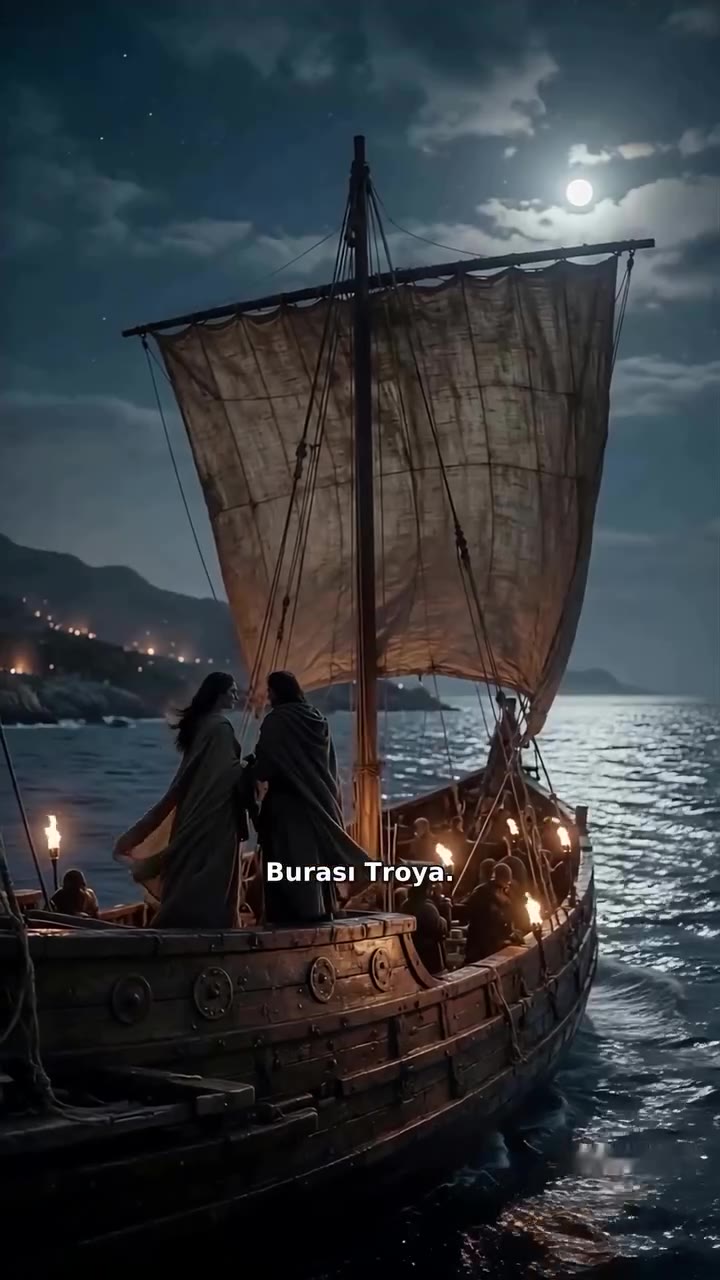
The door opened by epic, and the questions left in the soil
The Iliad offers a powerful way to think about loss, anger and the search for honour. But a literary work cannot be used as an excavation record. A striking detail in a poem and a measured finding in an archaeological layer answer different questions. Making the wooden horse the certain explanation for every wall at Troy would erase that distinction. The British Museum’s past exhibition approached the site through the relationship between myth and reality, a useful invitation to keep asking how the stories connect with material evidence. [2]
Nor does an excavated object automatically tell its whole story. Where was it found, in which layer, and alongside what other material? It is easy to imagine objects shown together in a photograph as the contents of one table. Asking about context takes us beyond watching towards investigation. While following the film’s walls, open two separate windows: what feeling does this image create, and what does a source establish about it?
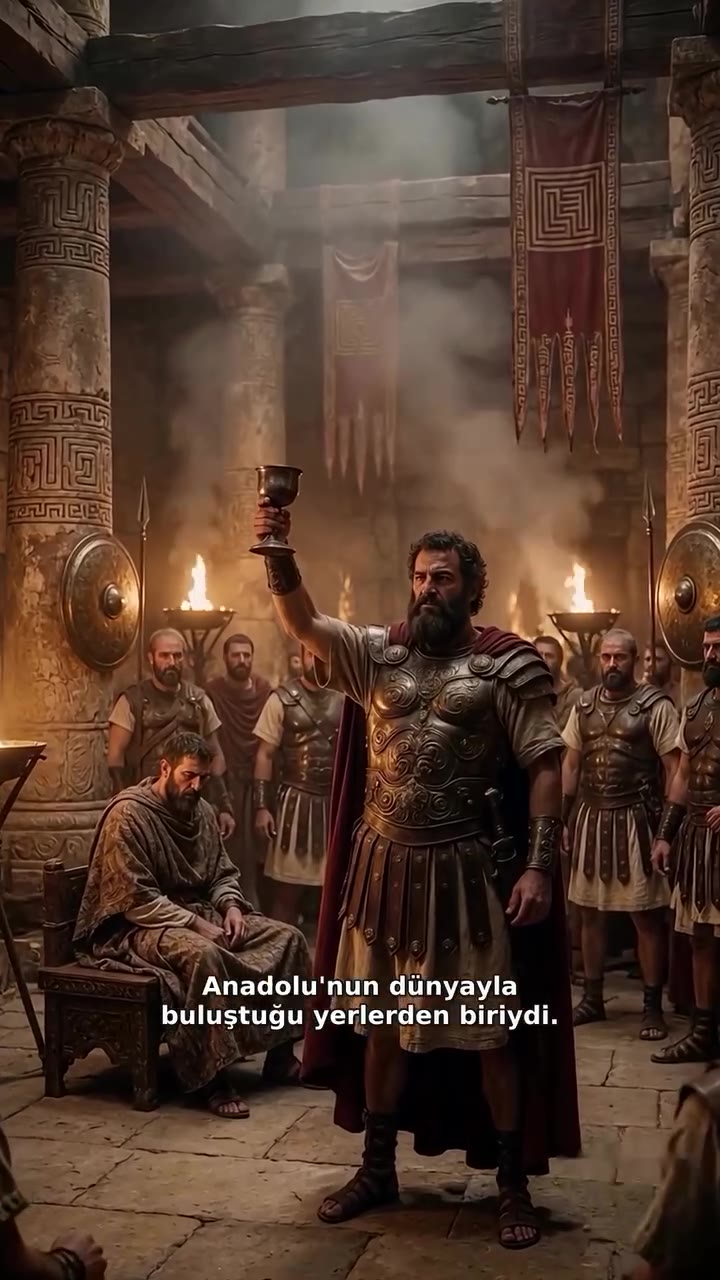
Is one war all that makes a city matter?
Troy’s location belongs to a wider landscape where different regions met. UNESCO highlights the site’s importance for understanding connections between Anatolia and the Mediterranean world. If we focus only on a siege, quieter traces of trade, production and everyday life can fade into the background. Alongside war, ask how life continued before and after it. [1]
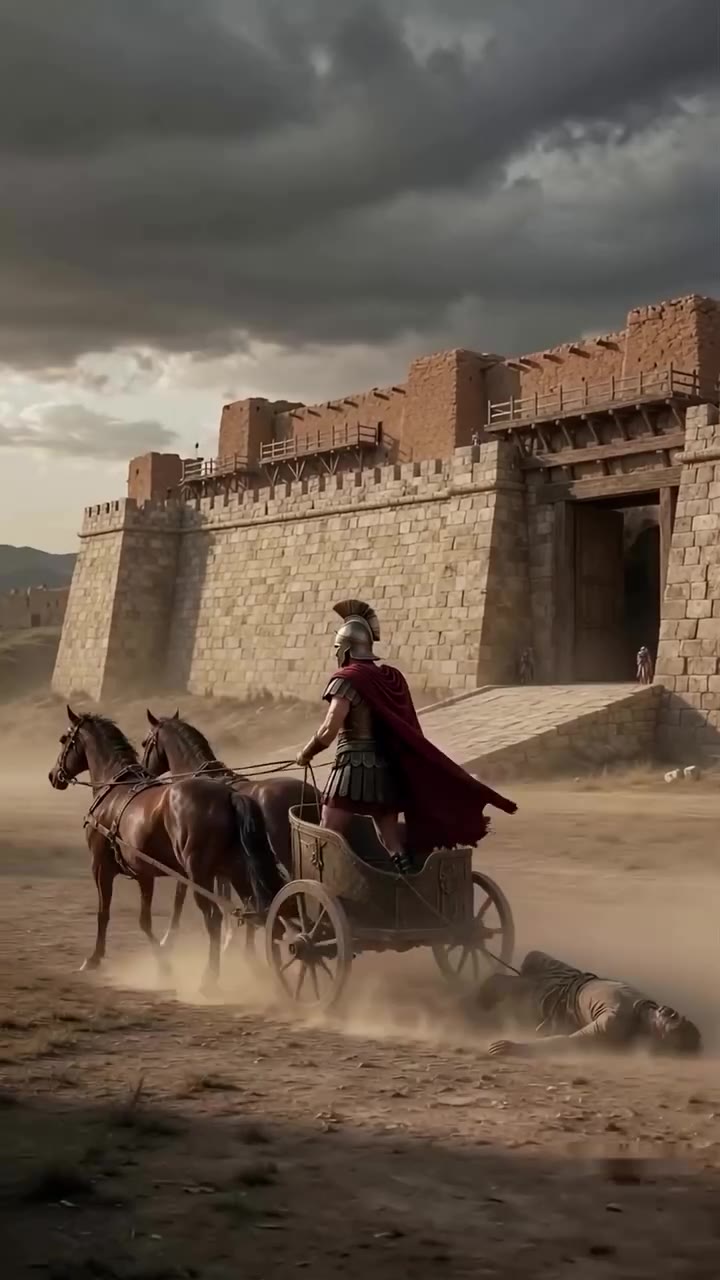
The film on this page is historical illustration. It does not claim to show every house in the lost city in a verified form. Use it as a doorway, then return to the ground: how many feet might have worn a threshold? Whose lives did a wall divide? If you leave Troy thinking of many lives following one another in the same place, rather than one horse, the city’s story has begun to grow.
Four points in the story
- A long settlement history · The layers at Hisarlık represent roughly four thousand years of the site’s history. [1]
- Epic tradition · Stories of Troy belong to a literary tradition distinct from archaeological findings. [2]
- Modern excavation · Research into layers and find contexts develops interpretations of the site. [1]
- Reading Troy today · Compare surviving remains, excavation interpretations and illustrative reconstructions separately.
Evidence, interpretation and legend
Many Troys
The image of one city built and destroyed in a single moment is misleading. [1]
The wooden horse
The existence of a story does not replace archaeological evidence. Literature and material remains need different questions.
The limits of an image
The film’s clothing, houses and crowds are representative historical illustrations, not archival footage or an exact reconstruction.
Take a question with you
If you knew this city without its epic, which trace would you investigate first?
Sources
- UNESCO World Heritage Centre · Archaeological Site of Troy ↗
- British Museum · Troy: myth and reality, past exhibition ↗
Original narrative: Geçmişin Haritası. Full English edition: 25 October 2026. Source pages reviewed for this edition. The British Museum exhibition is a past exhibition, not a current event. The approximate four-thousand-year description concerns the site; it is not a date for every layer or for a single war.
Continue exploring
Orkhon · story in Turkish ↗ · Dede Korkut · story in Turkish ↗ · The Hippodrome · English ↗
Back to the ten-story discovery ↗
Existing downloadable Reading Troy material is in Turkish. This English web story and original free card do not represent a translated paid PDF. No purchase is available for this item on this page.