
Short summary
Beyond Süleymaniye’s skyline lie learning, care, food and work. Follow a monumental complex into the everyday life of a city.
An answer on the horizon
Often a skyline is enough to recognise a city: a dome, a few minarets, roofs overlapping. Süleymaniye helps make Istanbul recognisable in this way. Yet if we returned to 1557 only to admire the outline, we would miss much of the story. The question is not simply how imposing the dome appears, but which lives and activities meet around it.
Sinan designed the complex for Sultan Süleyman. Its construction belongs to the years 1550–1557. The mosque stands at the centre of buildings with different purposes, planned together. The TDV study connects that arrangement with the sloping ground and the surrounding city. The hill is part of the architecture’s effect, rather than an empty platform beneath it. [1]
Try lowering your gaze from the roofline. A külliye is a group of buildings whose functions belong together. Discover Islamic Art identifies schools, a hospital, a soup kitchen, guest accommodation, a bathhouse and shops within the complex. [2] Naming those functions changes what we notice. The silhouette becomes the entrance to a network of needs rather than the end of our looking.
From the dome to a street
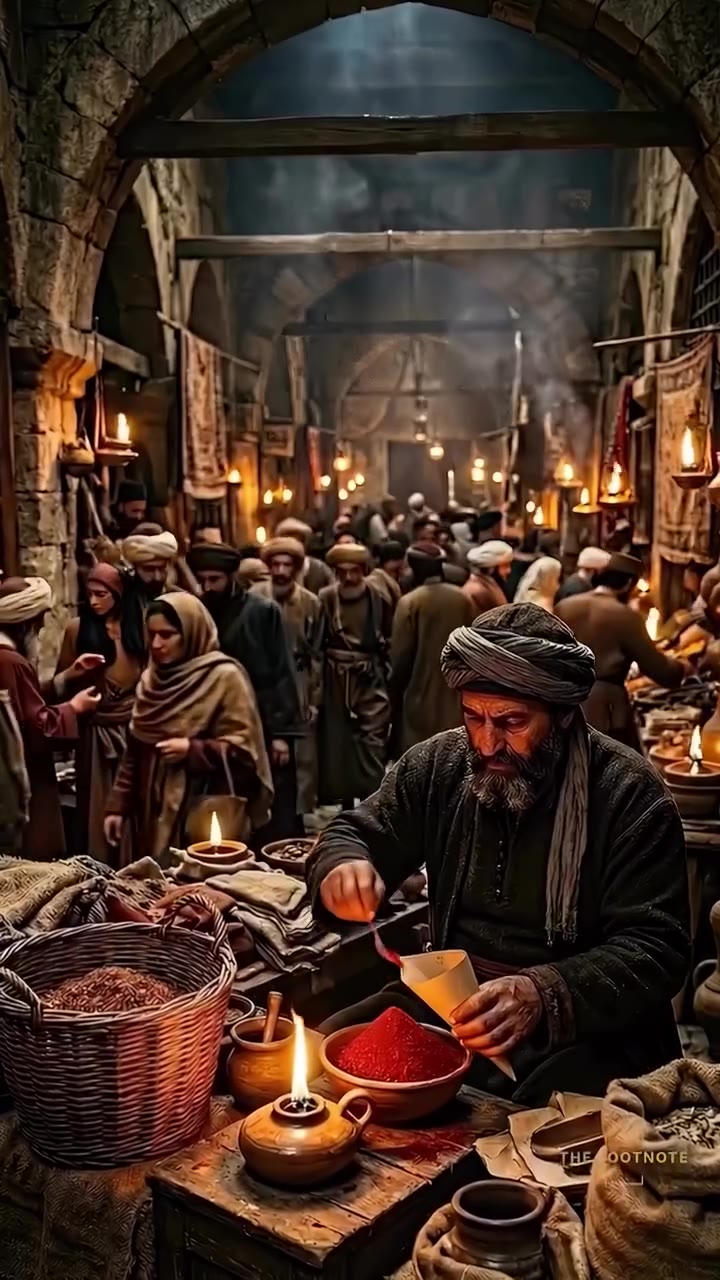
Imagine that change of scale slowly. Around a great building are people learning, working, preparing food or seeking assistance. Thinking about the complex’s different functions brings monumental architecture closer to everyday life. Not everyone has the same experience, but different paths can meet in the same surroundings. Education, care and provision are part of the architectural question. [1][2]
This walk is an invitation to read, not a recovered diary from 1557. We do not know the name or words of a particular passer-by. Instead, documented functions let us ask what sustains a city. Who opens a door? Who cleans a room? How does material reach a building? Such questions do not diminish grandeur. They reconnect it with human labour.
A date on a skyline also need not date every building around it. The museum record distinguishes the mosque’s completion from later additions: it dates Hürrem’s tomb to 1558 and Süleyman’s to 1567. [2] Let that distinction guide your gaze. A complex has a sequence of construction as well as an arrangement in space. Its history continues after a celebrated opening.
1557 is not a photograph
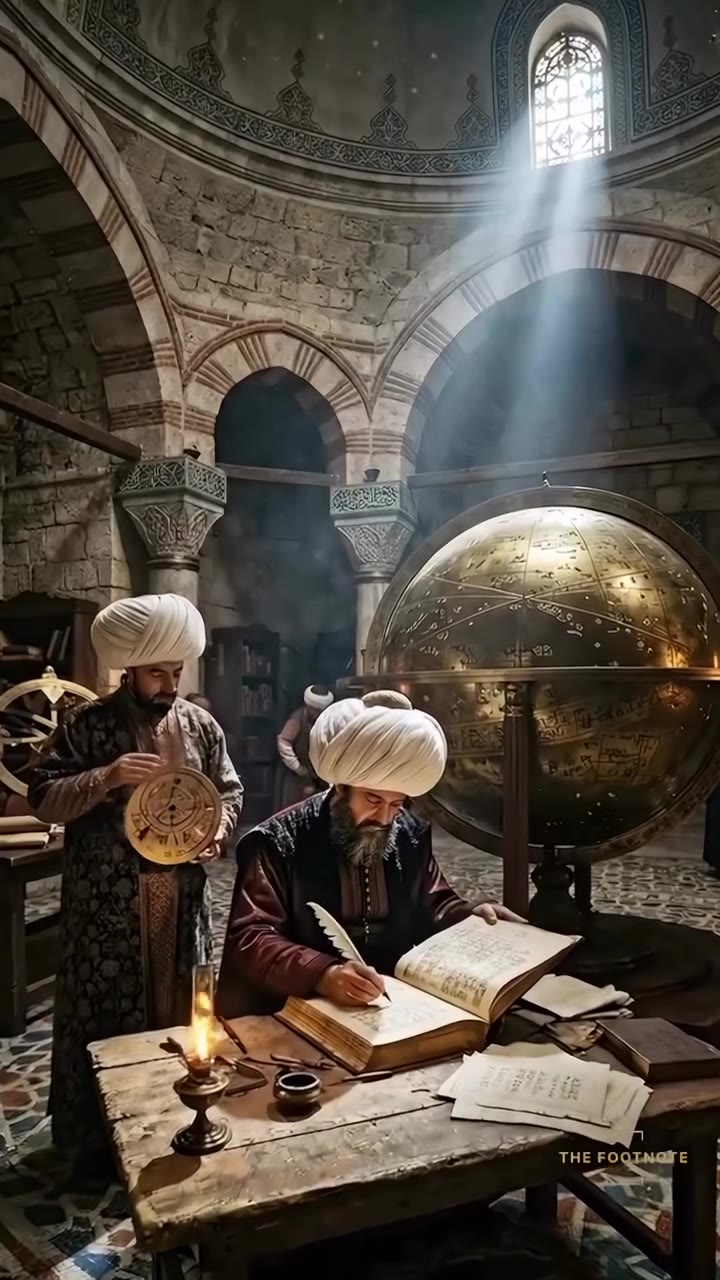
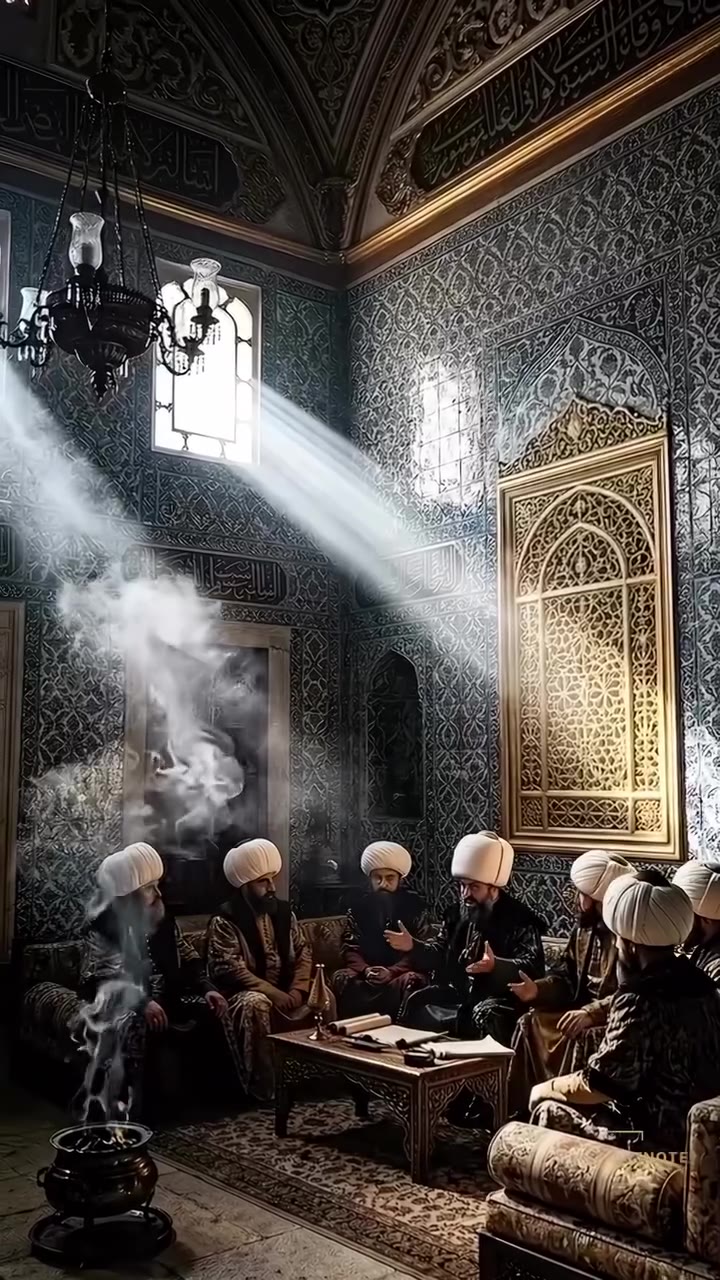
A film named after a year does not turn every visible detail into a verified record of that year. Bringing all the familiar landmarks of Istanbul into one view can be appealing, yet it may combine works from different centuries. Our film stills create an imagined historical atmosphere. They are illustrative reconstructions, not archival photographs, a dated building inventory or a measured model of the city.
Keep three things apart: the historical date of a building, the date represented by an image and the date when that image was made. A caption can help, but a convincing surface alone cannot establish accuracy. On the free card, describe a visible detail first, then write the source you would need to test it. Curiosity becomes stronger when it has a way forward.
Next time you look towards Süleymaniye, seek relationships as well as a silhouette. A building does not stand apart from its city like an isolated sculpture. Routes, water, working spaces and places of learning give it a setting. Carry this question away from 1557: might grandeur also lie in thinking about many needs together? Sinan and Mihrimah’s buildings offer another doorway into that reading.
Timeline
- 1550: construction of the Süleymaniye complex begins. [1][2]
- 1557: completion of the mosque. This date does not date every later addition. [1][2]
- 1558 and 1567: the museum record dates Hürrem’s and Süleyman’s tombs respectively. [2]
- Later centuries and today: read changes, care and the complex’s relationship with its surroundings, rather than treating the whole site as one frozen moment.
Evidence, interpretation and reconstruction
What does külliye mean here?
A complex of buildings with different functions planned around the mosque. Education, food and care belong to the reading. [1][2]
Does the title certify every scene?
No. The year supplies historical context; the film’s buildings, people and streets are illustrative reconstructions.
Is our imagined walk eyewitness testimony?
No. Questions about work are interpretation prompted by documented functions, not quotations from named inhabitants.
Do all parts date to 1557?
No. The museum record explicitly distinguishes later tombs from the mosque’s completion. [2]
Film in Turkish
Our existing film has Turkish narration. No English dubbing or subtitles are supplied. The images are illustrative reconstructions. Full narration and subtitle alignment have not been newly verified.
Sources
- Selçuk Mülayim · Süleymaniye Camii ve Külliyesi · TDV
- Discover Islamic Art · Süleymaniye Complex
- Suzan Yalman · The Art of the Ottomans before 1600 · The Met
Readings, questions and visual interpretation adapted from Geçmişin Haritası’s original Turkish story. Edition: 24 October 2026. Historical dates and functions rechecked against TDV and Discover Islamic Art; The Met provides wider Ottoman context.
Existing reading file
The original page describes a 12-page Turkish digital package with readings, exercises, source links and an offline HTML reader. No purchase link is currently provided for this title. This web translation does not translate that package or create a new sale listing.
Existing Turkish PDF example ↗