A harbour, a mountain, a written mark, a worked stone. Choose a question and let it carry you between cities.
This collection page is in English. Its linked readings currently include one English story and sixteen Turkish series entries, labelled on every card. Translating this collection does not mean all seventeen stories have been translated.
Sagalassos uses a dated 2012 photograph. The other sixteen covers are existing illustrative scenes, not documentary photographs or measured reconstructions. Their Turkish cover lines are translated beside them.
Start with a question
17 city entries · 1 English reading · 16 Turkish readings
No matching city. Try fewer words, another lens or all story languages.
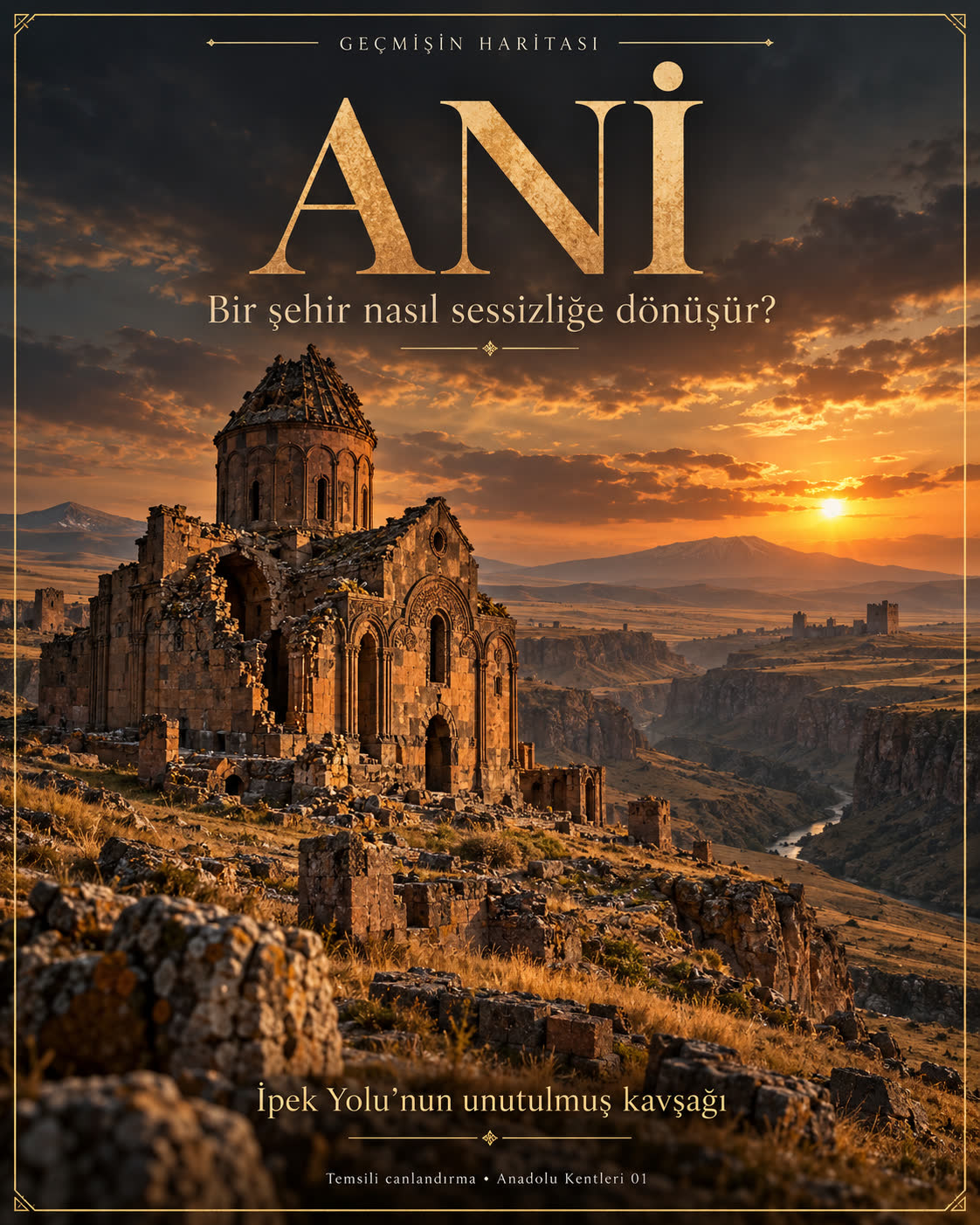
Look for what the cover suggests, then ask which records describe change.
Open the Turkish series entry ↗Geçmişin Haritası · existing representative illustration. The Turkish cover line is translated above; footer: “Representative illustration · Cities of Anatolia 1”. Not a documentary view or measured reconstruction. Additional lower cover line: “The forgotten crossroads of the Silk Road” — an illustrative cover phrase, not a complete explanation of the city.
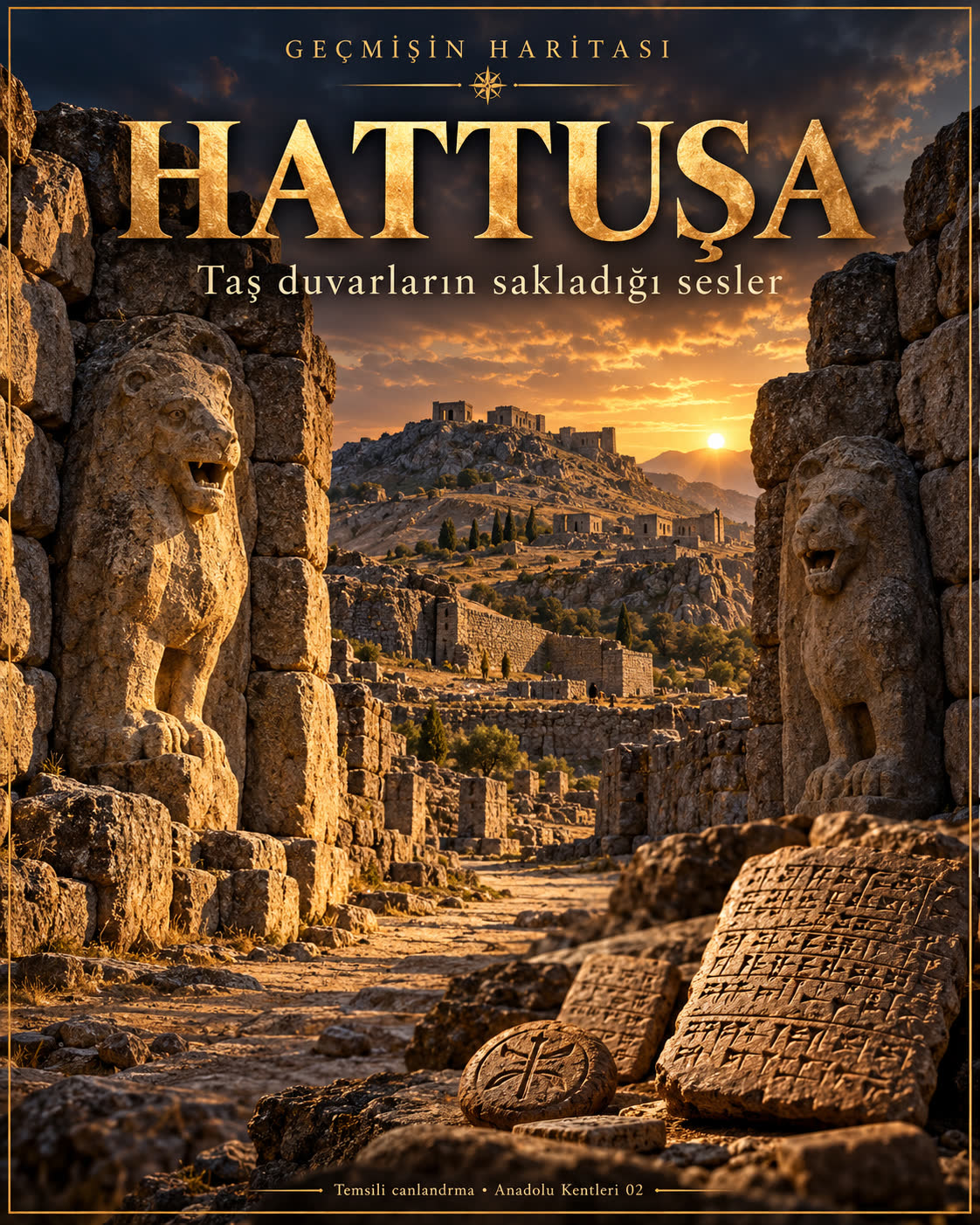
Start with a mark or a wall. What would let you connect an image to a written record?
Open the Turkish series entry ↗Geçmişin Haritası · existing representative illustration. The Turkish cover line is translated above; footer: “Representative illustration · Cities of Anatolia 2”. Not a documentary view or measured reconstruction.
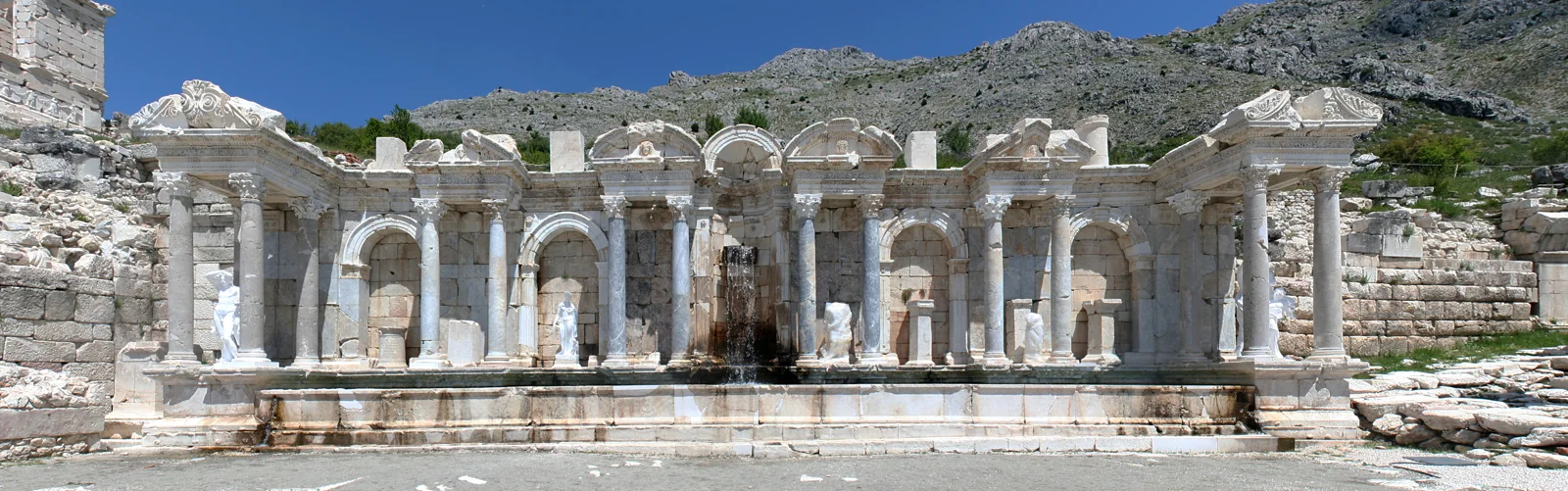
Read the dated photograph alongside the English story about water and restoration.
Open the English story ↗Ingo Mehling · 1 June 2012 · CC BY-SA 3.0. Existing resized WebP derivative; same licence. Dated photograph of the restored fountain, not a current condition report.Image record · CC BY-SA 3.0
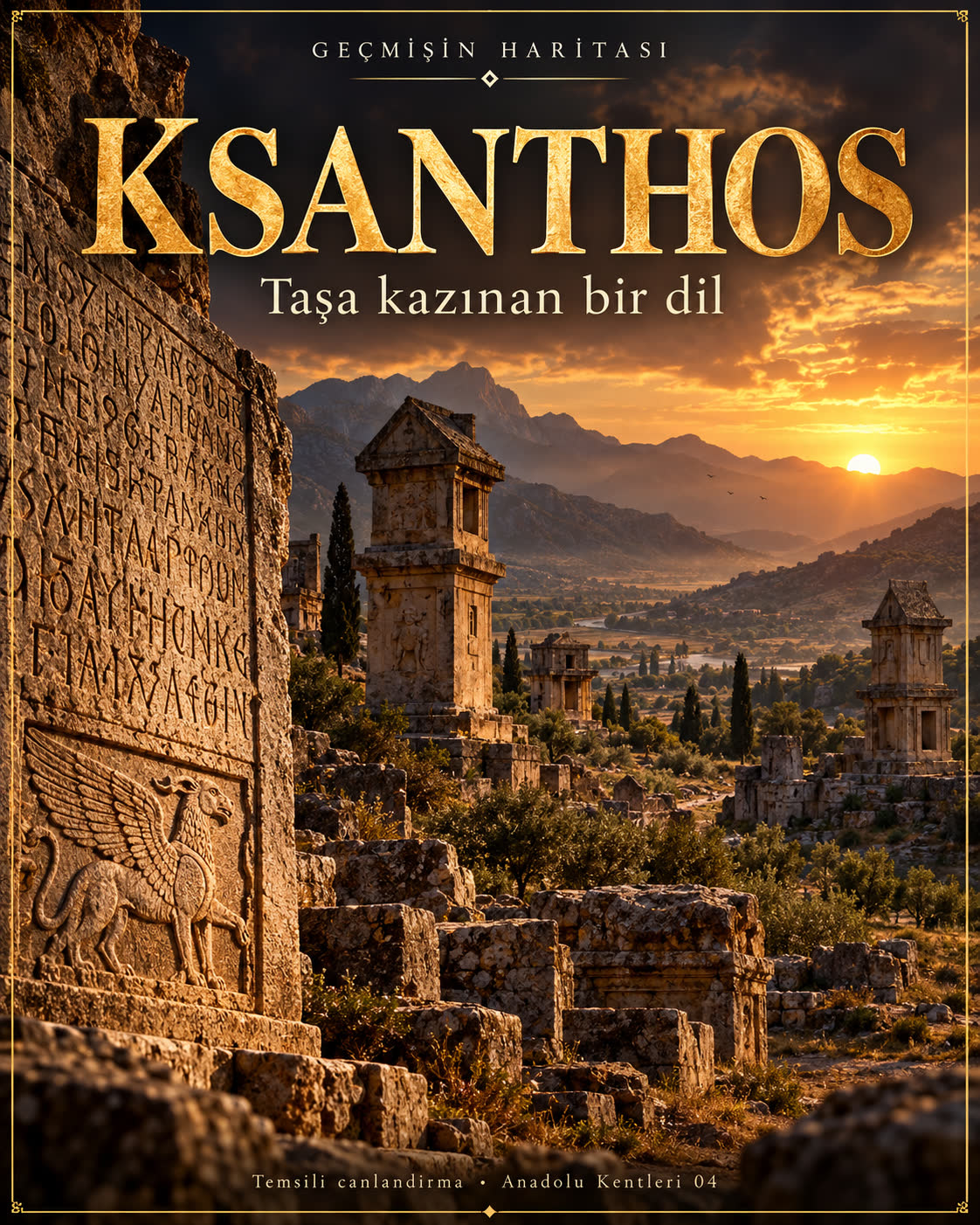
What can a visible mark establish before anyone offers a translation?
Open the Turkish series entry ↗Geçmişin Haritası · existing representative illustration. The Turkish cover line is translated above; footer: “Representative illustration · Cities of Anatolia 4”. Not a documentary view or measured reconstruction.
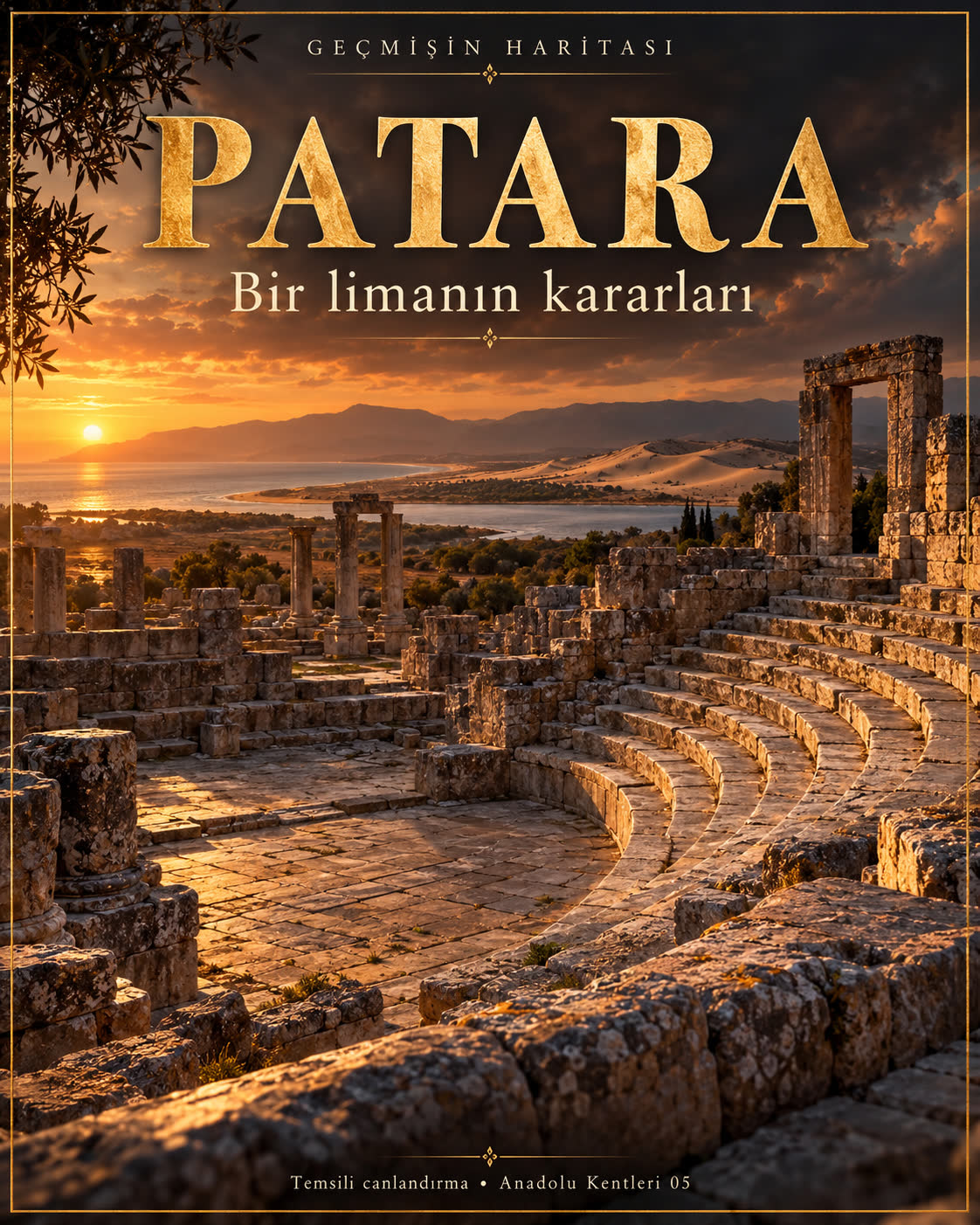
Compare the question of movement with the question of how decisions were made.
Open the Turkish series entry ↗Geçmişin Haritası · existing representative illustration. The Turkish cover line is translated above; footer: “Representative illustration · Cities of Anatolia 5”. Not a documentary view or measured reconstruction.
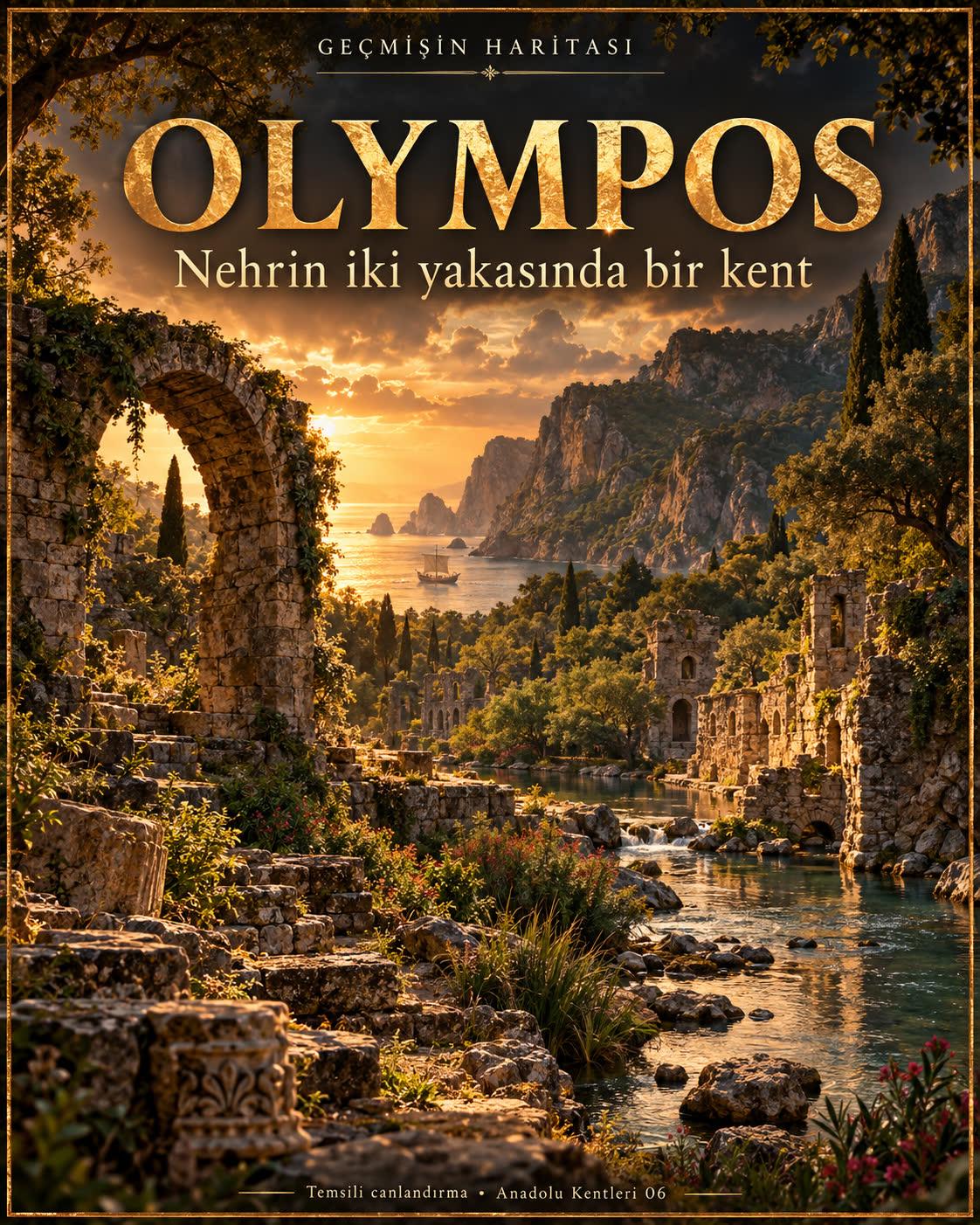
Use the river as a question about connections rather than treating the cover as a map.
Open the Turkish series entry ↗Geçmişin Haritası · existing representative illustration. The Turkish cover line is translated above; footer: “Representative illustration · Cities of Anatolia 6”. Not a documentary view or measured reconstruction.
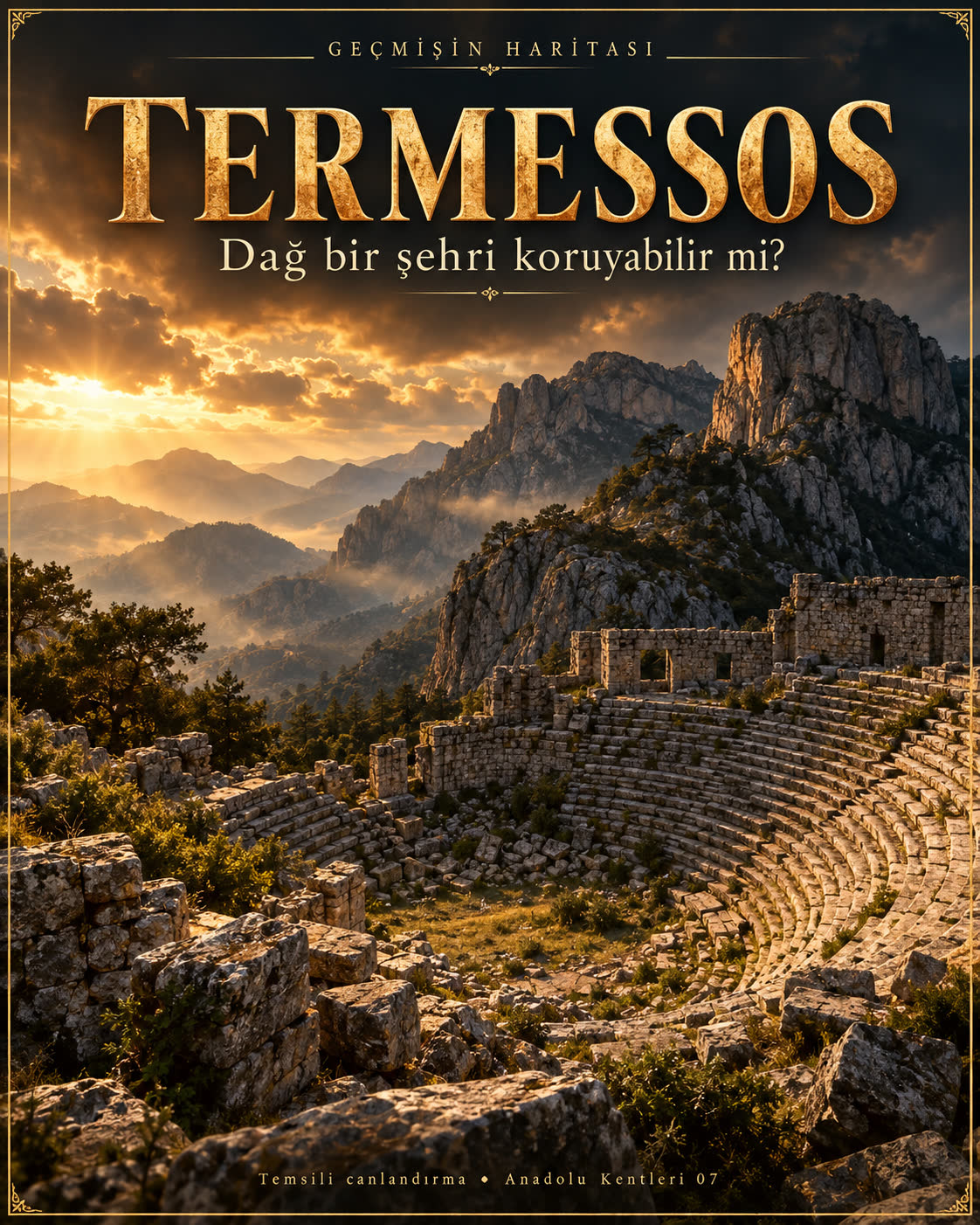
Separate a dramatic skyline from evidence about defence and everyday access.
Open the Turkish series entry ↗Geçmişin Haritası · existing representative illustration. The Turkish cover line is translated above; footer: “Representative illustration · Cities of Anatolia 7”. Not a documentary view or measured reconstruction.
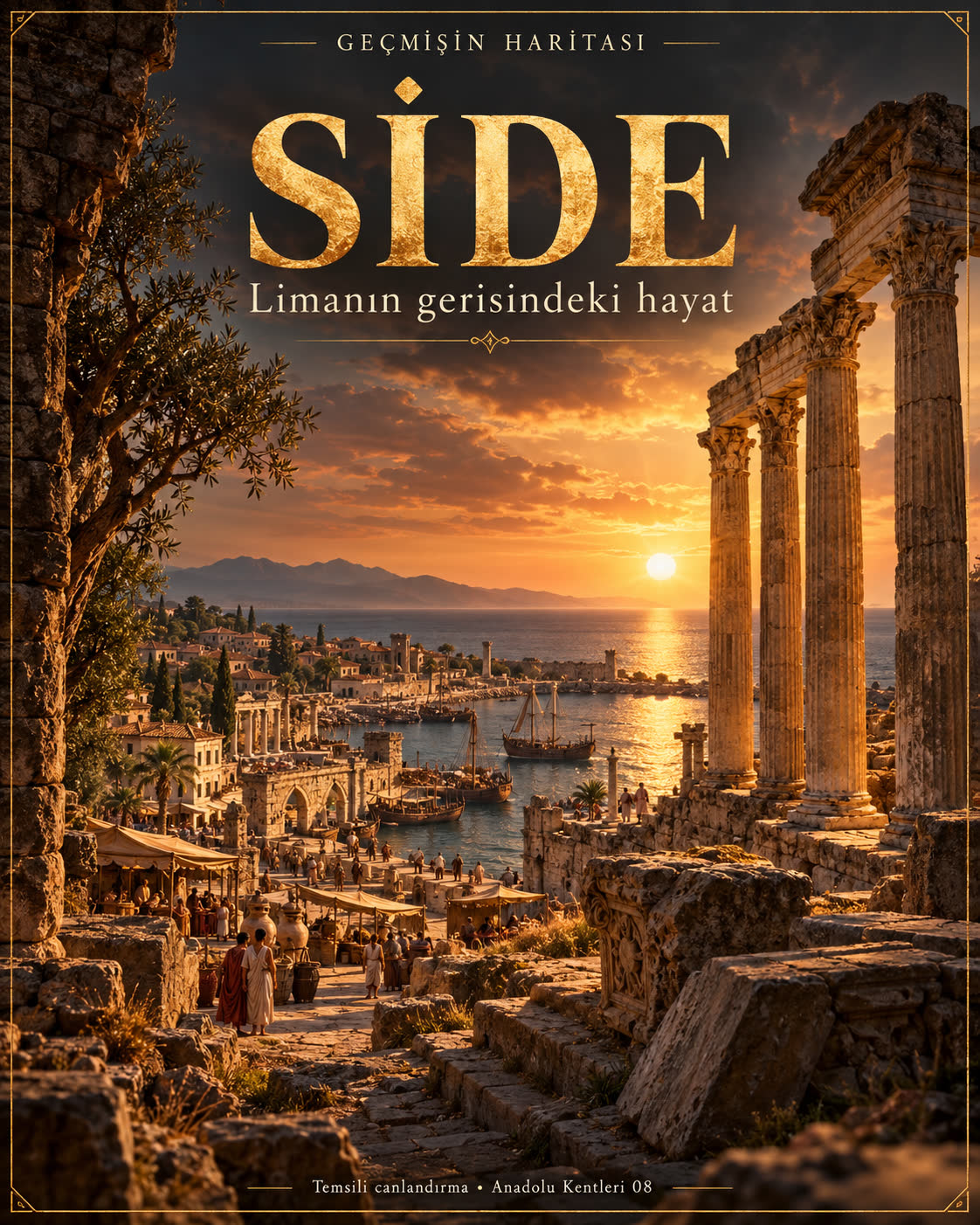
Ask what a harbour-centred story leaves outside the frame.
Open the Turkish series entry ↗Geçmişin Haritası · existing representative illustration. The Turkish cover line is translated above; footer: “Representative illustration · Cities of Anatolia 8”. Not a documentary view or measured reconstruction.
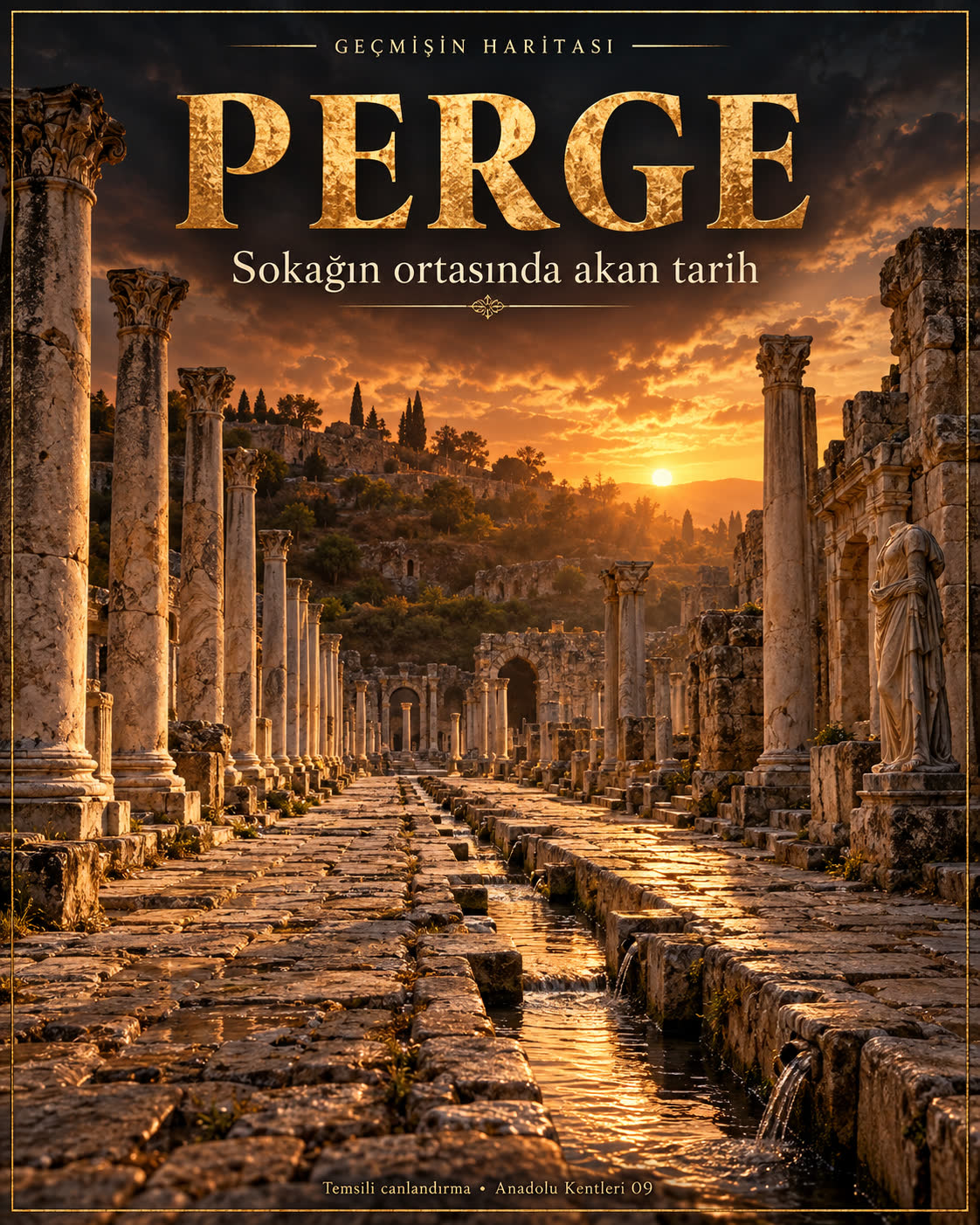
Follow the street as a reading question: what different activities might a source document?
Open the Turkish series entry ↗Geçmişin Haritası · existing representative illustration. The Turkish cover line is translated above; footer: “Representative illustration · Cities of Anatolia 9”. Not a documentary view or measured reconstruction.
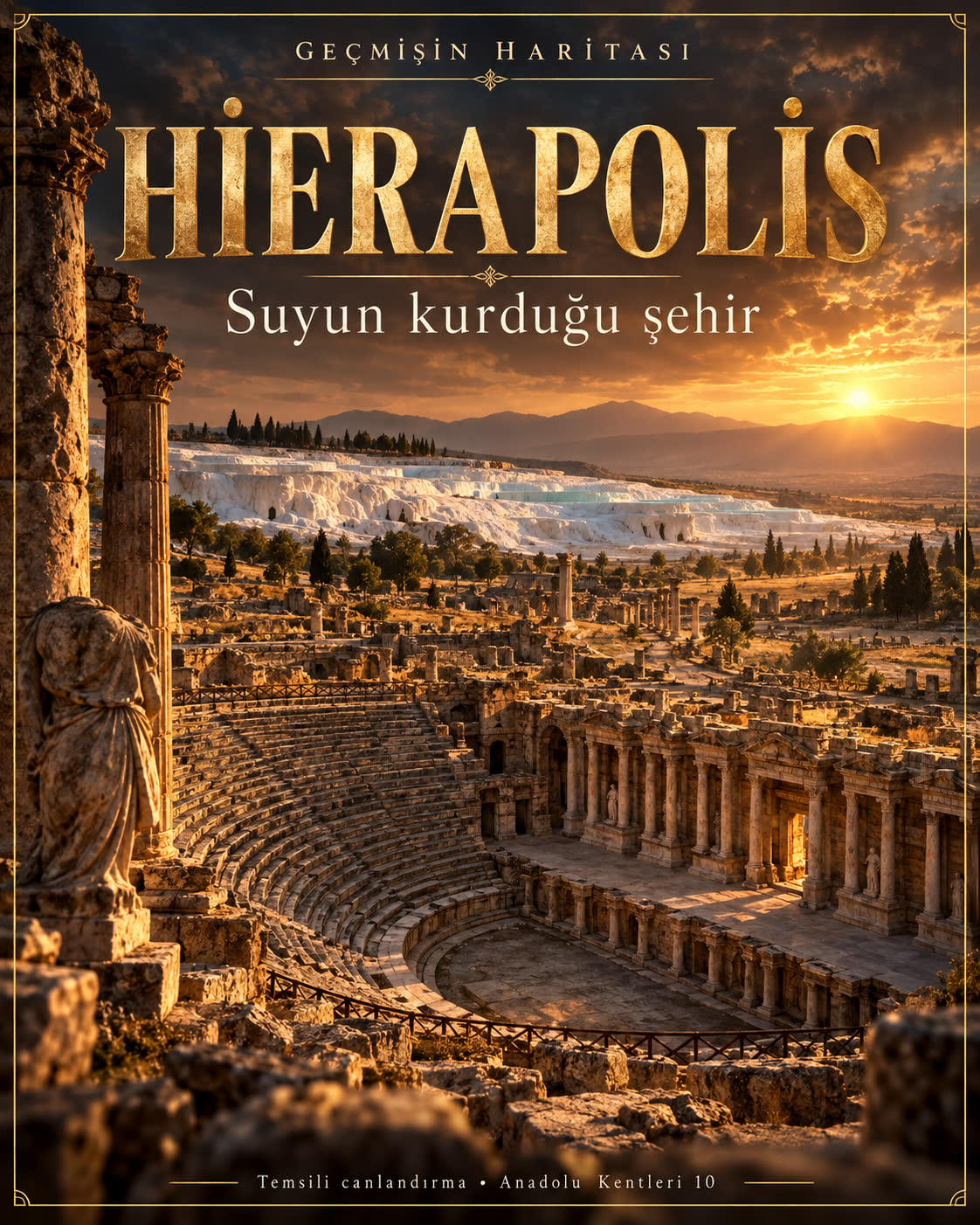
Compare water as a visible feature with the work needed to manage it.
Open the Turkish series entry ↗Geçmişin Haritası · existing representative illustration. The Turkish cover line is translated above; footer: “Representative illustration · Cities of Anatolia 10”. Not a documentary view or measured reconstruction.
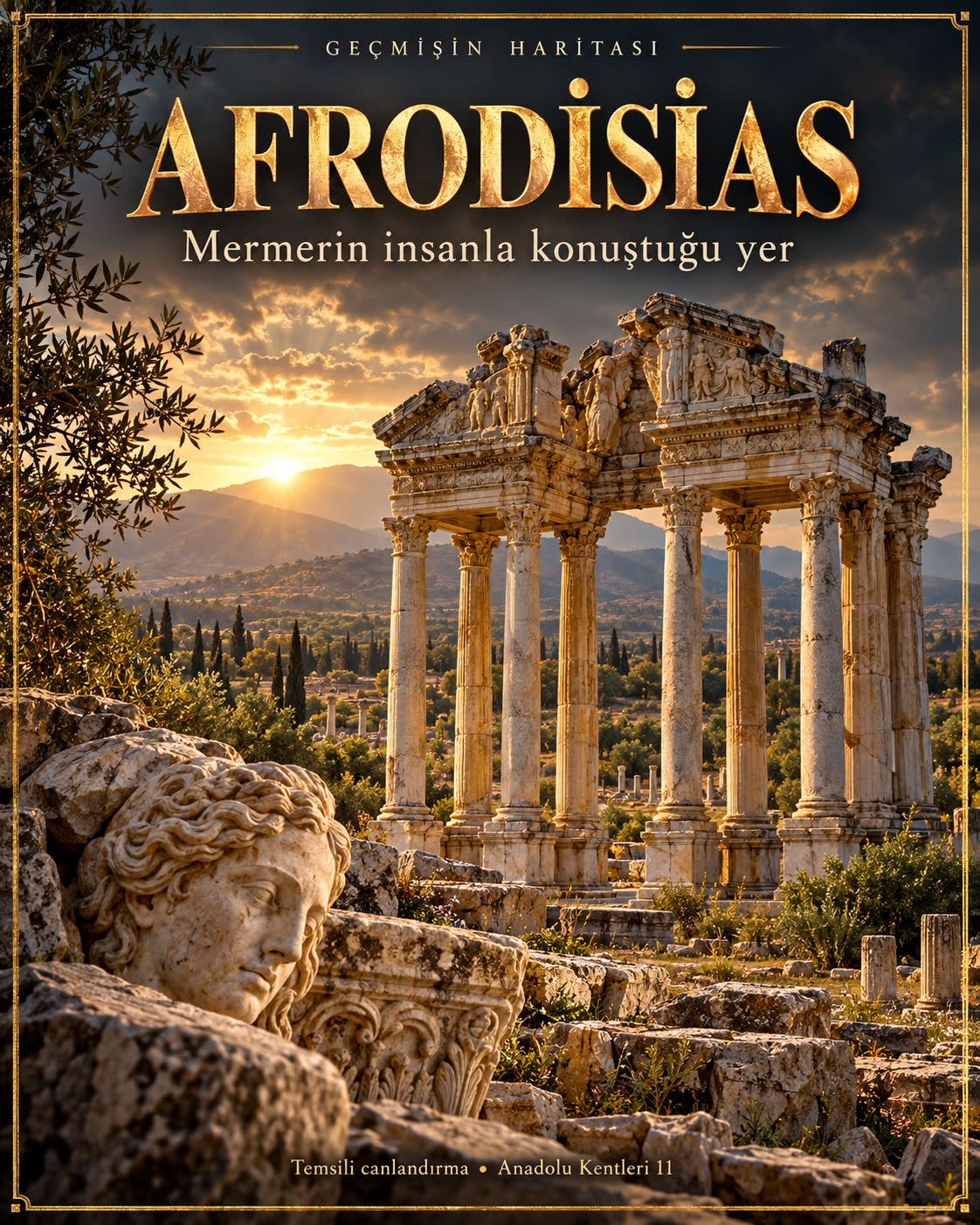
What changes when you read a stone surface as the result of work?
Open the Turkish series entry ↗Geçmişin Haritası · existing representative illustration. The Turkish cover line is translated above; footer: “Representative illustration · Cities of Anatolia 11”. Not a documentary view or measured reconstruction.
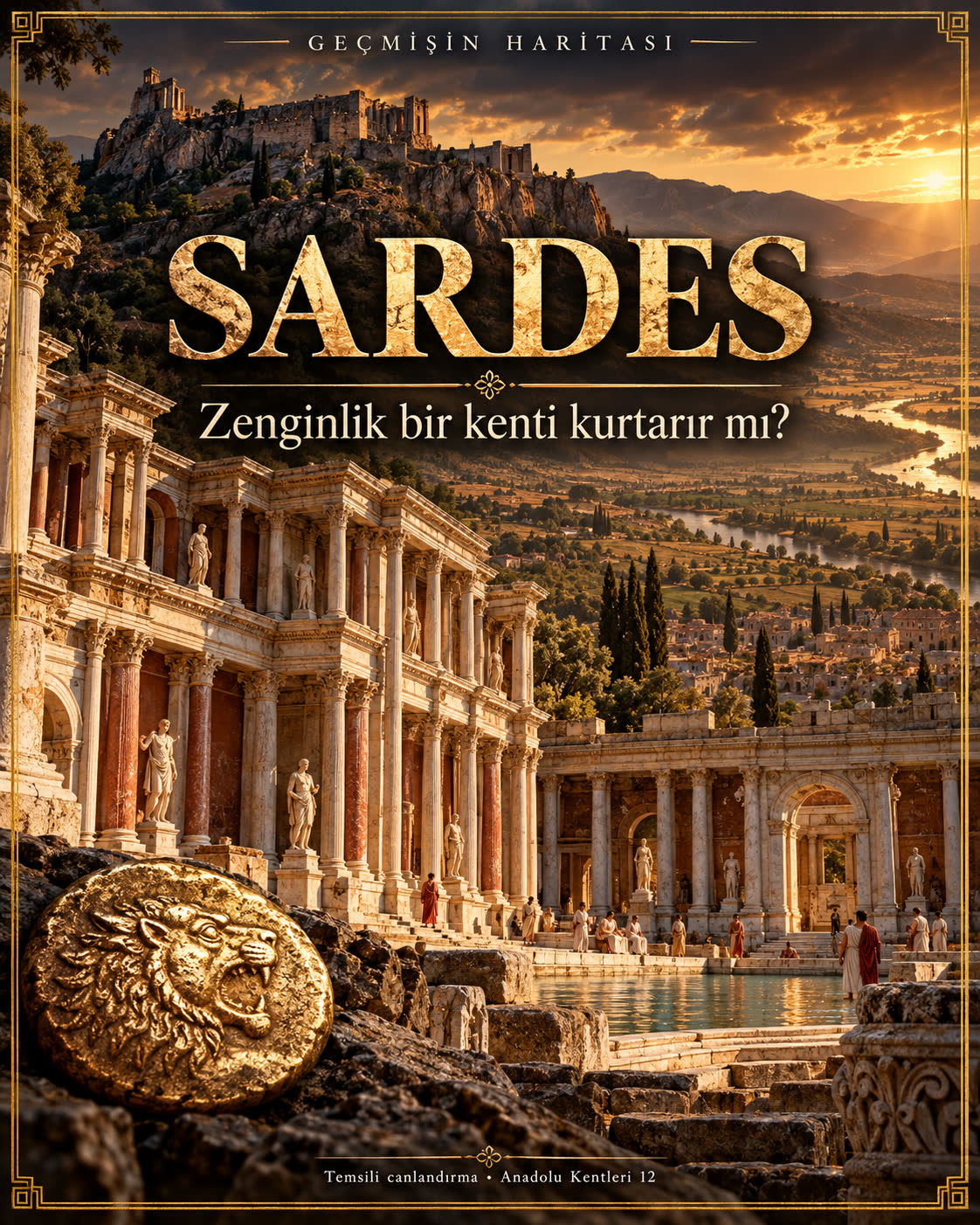
Put a small object beside a large landscape in your notes. How do their scales differ?
Open the Turkish series entry ↗Geçmişin Haritası · existing representative illustration. The Turkish cover line is translated above; footer: “Representative illustration · Cities of Anatolia 12”. Not a documentary view or measured reconstruction.
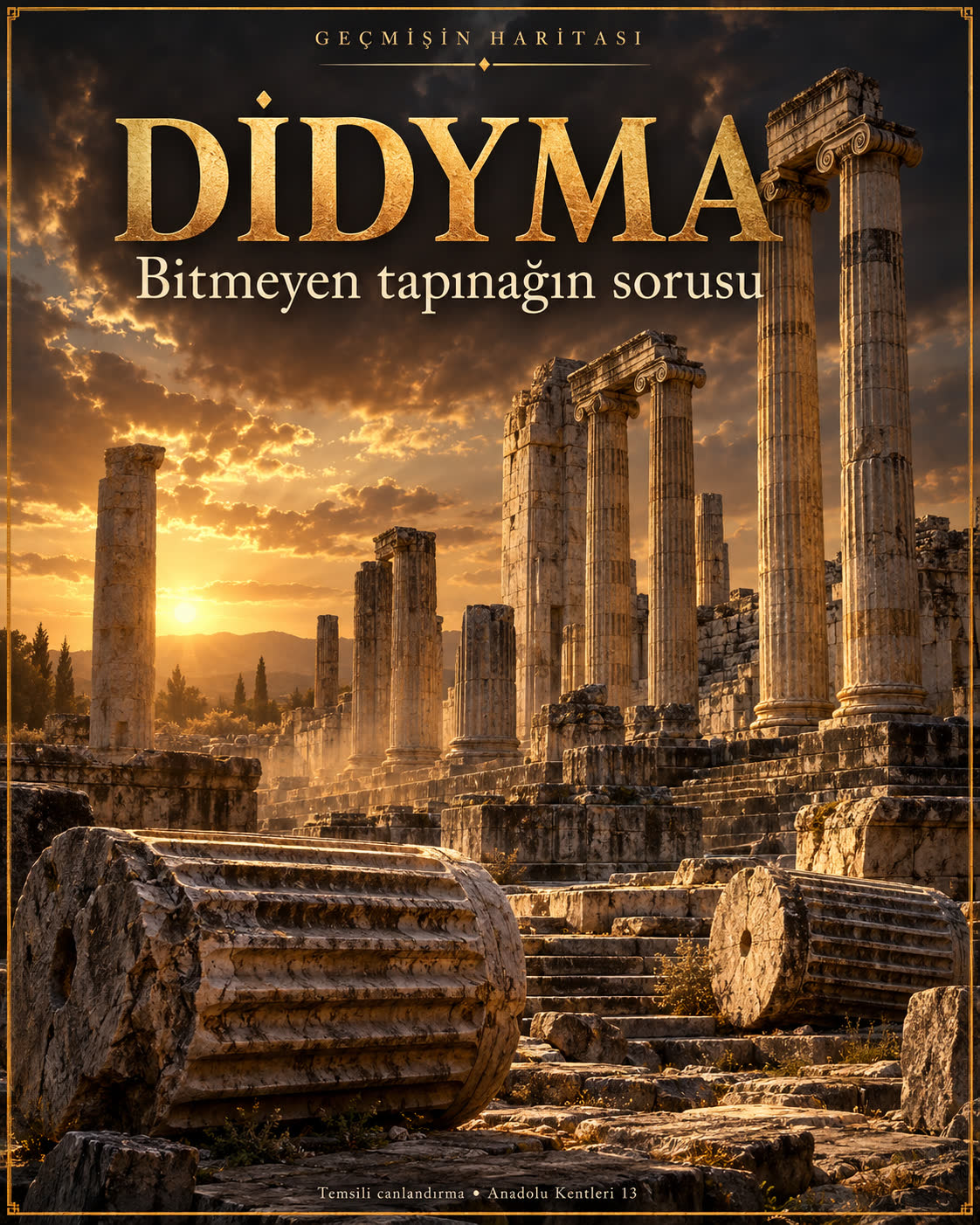
Leave space for what a building does not let you conclude.
Open the Turkish series entry ↗Geçmişin Haritası · existing representative illustration. The Turkish cover line is translated above; footer: “Representative illustration · Cities of Anatolia 13”. Not a documentary view or measured reconstruction.
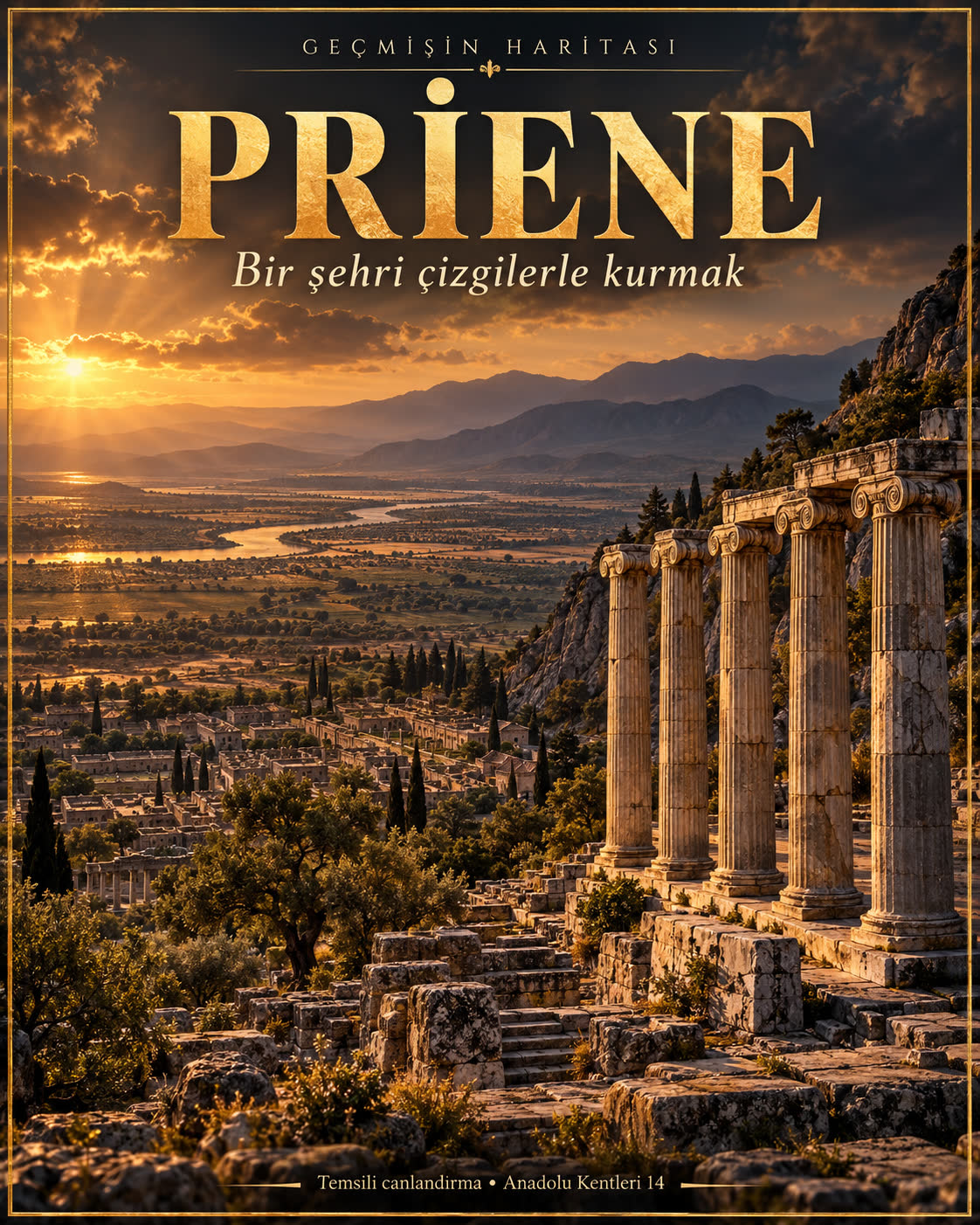
Compare an orderly image with the evidence required for a measured plan.
Open the Turkish series entry ↗Geçmişin Haritası · existing representative illustration. The Turkish cover line is translated above; footer: “Representative illustration · Cities of Anatolia 14”. Not a documentary view or measured reconstruction.
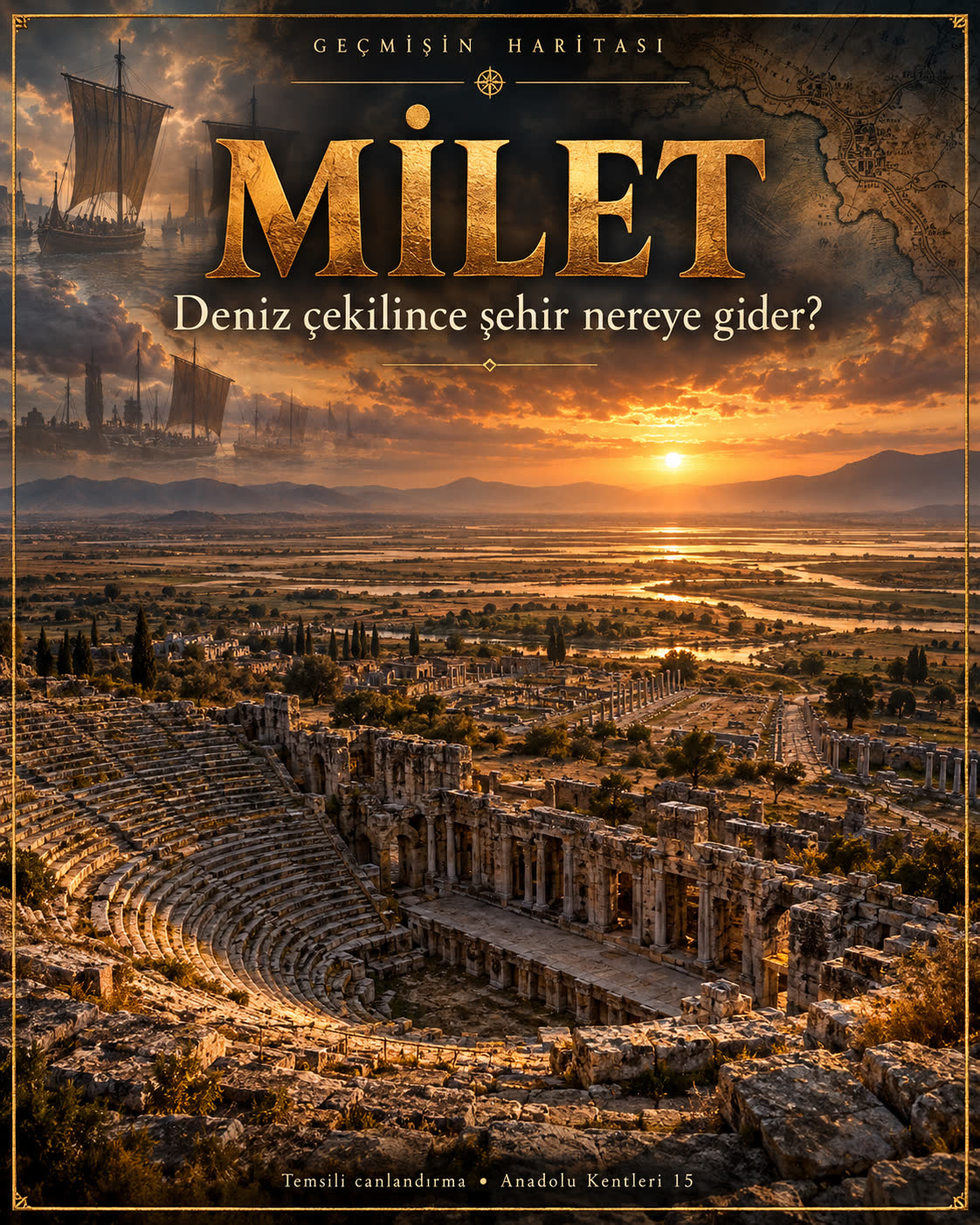
Separate the present view, an older landscape and a reconstruction.
Open the Turkish series entry ↗Geçmişin Haritası · existing representative illustration. The Turkish cover line is translated above; footer: “Representative illustration · Cities of Anatolia 15”. Not a documentary view or measured reconstruction.
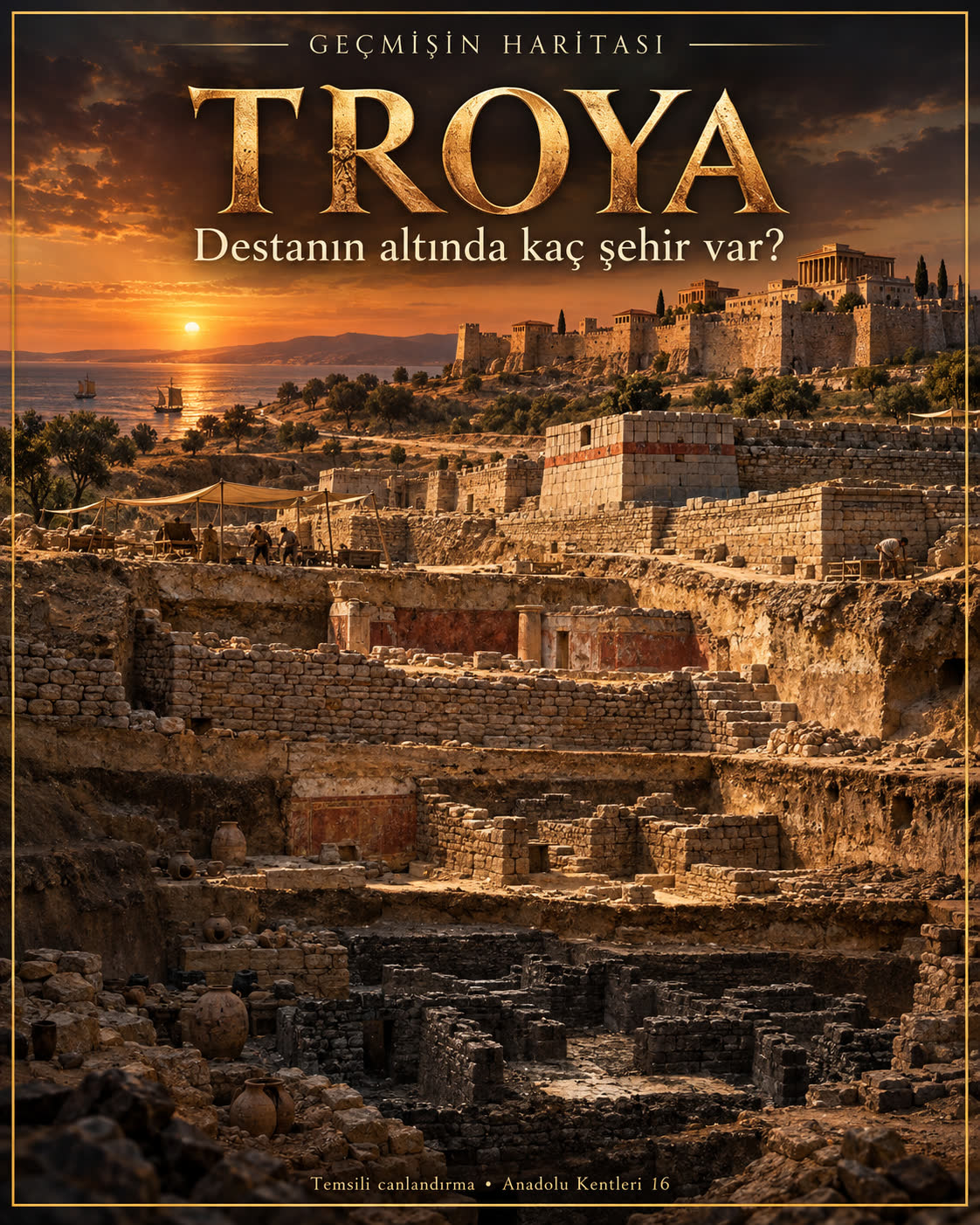
Read the series entry as its own text; do not confuse it with the separate Reading Troy story.
Open the Turkish series entry ↗Geçmişin Haritası · existing representative illustration. The Turkish cover line is translated above; footer: “Representative illustration · Cities of Anatolia 16”. Not a documentary view or measured reconstruction.
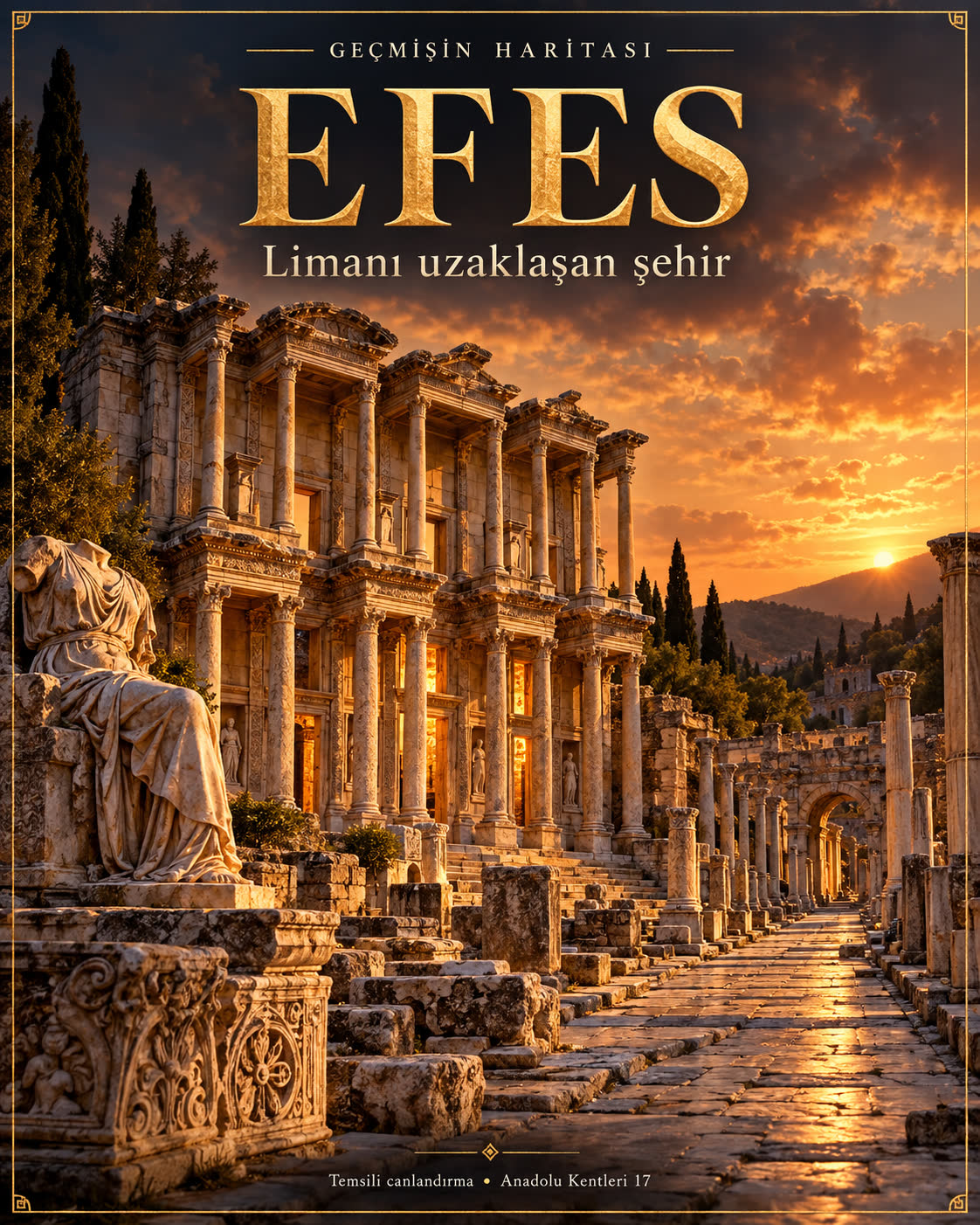
Ask which dates belong to a building and which to a changing landscape.
Open the Turkish series entry ↗Geçmişin Haritası · existing representative illustration. The Turkish cover line is translated above; footer: “Representative illustration · Cities of Anatolia 17”. Not a documentary view or measured reconstruction.
Read two places together
1 · Begin with something you can point to
Choose two cards without trying to cover the entire collection. Let one visible detail hold your attention: a line across a slope, the edge of a pool, a mark on stone. Write a sentence about that detail before naming a ruler or repeating a famous story. An observation gives your comparison a starting point that another reader can inspect. It also reveals where an illustration is inviting you to imagine rather than showing a documented surface.
2 · Change the question, not just the destination
Use the reading lenses as editorial prompts. They are not historical classifications of whole cities. A water question might ask where movement becomes difficult; a stone question might ask how a record acquires meaning. Try the same question on two entries and notice where it stops working. A useful comparison does not require identical places. The difference can tell you which additional evidence to seek and which assumptions you brought to the page.
3 · Give every date a job
A building date, a period of repair, a photograph and a heritage-list entry answer different questions. Put them on separate lines. If a source supplies only a broad period, keep that breadth rather than choosing a precise year for the sake of a neat timeline. The Sagalassos photograph is dated 1 June 2012 in its image record. That identifies the photograph; it does not certify today’s water flow, access or conservation condition. Follow the story’s research references for the structure and restoration.
4 · Return with one answer and one open question
Read a linked story, then follow a source that is relevant to your chosen detail. Write what it supports in your own words. Beside it, leave one question unresolved. A heritage description, excavation account and image-rights record have different purposes. Do not turn the existence of a record into proof of every claim made around it. The comparison becomes more rewarding when it changes an early impression, rather than merely decorating a conclusion you already held.
The card hooks are invitations to read, not claims that a cover proves a city’s topography, costumes or a single historical event. The lenses are our editorial groupings. They do not imply that every place shares the same period, heritage status or explanation. Troy’s series entry remains distinct from the separate Reading Troy story. No new video, translation of a paid PDF, price or membership is included.
Sources and image rights
Checked 30 October 2026. The seventeen Turkish series pages are the content inventory for this collection. Open each card for its topic-specific research links. Their presence here does not mean every external reference was independently reread in this collection pass.
UNESCO World Heritage List. Listing records distinguish properties and inscription information; not every city in this collection is a World Heritage property.
Europeana themes. Comparative editorial research: browsing through questions and subjects. Our lenses and worksheet are original.
Other covers: existing Geçmişin Haritası representative illustrations, unchanged. Photo licensing applies to the identified photograph and derivative, not automatically to all collection text or covers. No museum image or competing platform design was copied.